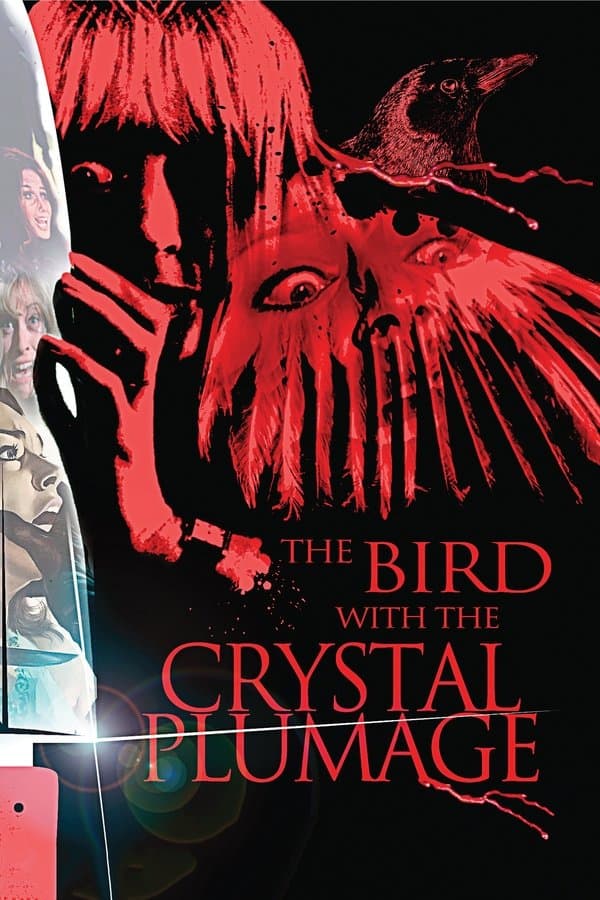
The Bird with the Crystal Plumage
1970 • Horror, Mystery, Thriller • PG
An American writer living in Rome witnesses an attempted murder that is connected to an ongoing killing spree in the city and conducts his own investigation, despite he and his girlfriend being targeted by the killer.
Runtime: 1h 36m
Buy related books from Amazon
As an Amazon Associate I earn from qualifying purchases. Read the full disclosure.
Why you should read the novel
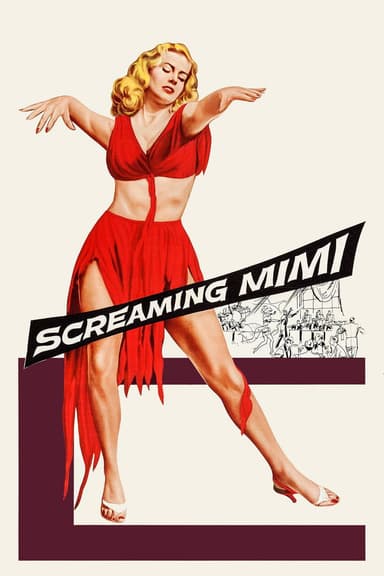
If you loved the tension of The Bird with the Crystal Plumage, read The Screaming Mimi by Fredric Brown to experience the story’s DNA at the source. This classic psychological crime novel delivers gritty atmosphere, razor-sharp prose, and a slower-burn mystery that invites you to think rather than simply watch. Discover character depth and motivations that a film’s runtime can only hint at.
The Screaming Mimi book offers a different, richer kind of thrill: hardboiled noir, newsroom hustle, and the unsettling pull of obsession rendered in unforgettable sentences. Searching for book versus movie comparisons? Start with the original novel to see how themes of trauma, media sensationalism, and urban menace were first crafted. It’s the ideal read for fans of crime fiction and classic noir mysteries.
Choosing the novel over the movie lets you savor the plot’s turns on your own time and inside your own imagination. The Fredric Brown book builds dread through psychology and detail, giving you context, subtext, and a lived-in world that rewards close reading. If you want the complete story behind the cinematic legend, read The Screaming Mimi before you watch—or instead of watching altogether.
Adaptation differences
Setting and mood shift dramatically between page and screen. Fredric Brown’s The Screaming Mimi unfolds in a postwar American city steeped in hardboiled noir, while Argento’s film transplants the suspense to a stylish, modern Rome. The novel’s urban grit and newsroom realism contrast with the movie’s glossy, art-gallery menace and color-driven tension.
The protagonists differ in profession, psychology, and point of view. Brown follows an alcoholic reporter whose insider access to cops, editors, and city undercurrents shapes the investigation and themes. Argento centers an American writer adrift in Rome, an outsider whose curiosity and vulnerability heighten paranoia and visual set-pieces rather than procedural detail.
Clue mechanics and symbolism diverge. Brown’s book uses media culture, a traumatized performer, and a charged piece of art (the titular “screaming” image) to explore obsession and public spectacle. Argento redesigns the mystery with a shocking gallery attack, a disturbing modern painting, and the famous avian clue whose distinctive call pinpoints the killer’s orbit—devices tailored to cinematic rhythm and sound design.
Resolution and thematic emphasis also change. The novel leans into noir fatalism, psychological ambiguity, and the costs of addiction and sensationalism; relationships and motivations are unpacked through dialogue and internal grit. The film sharpens twists, consolidates characters, and heightens operatic violence, favoring visual psychology and set-piece revelations. The result is a sleeker whodunit on screen versus a more morally complex, character-driven unraveling on the page.
The Bird with the Crystal Plumage inspired from
The Screaming Mimi
by Fredric Brown