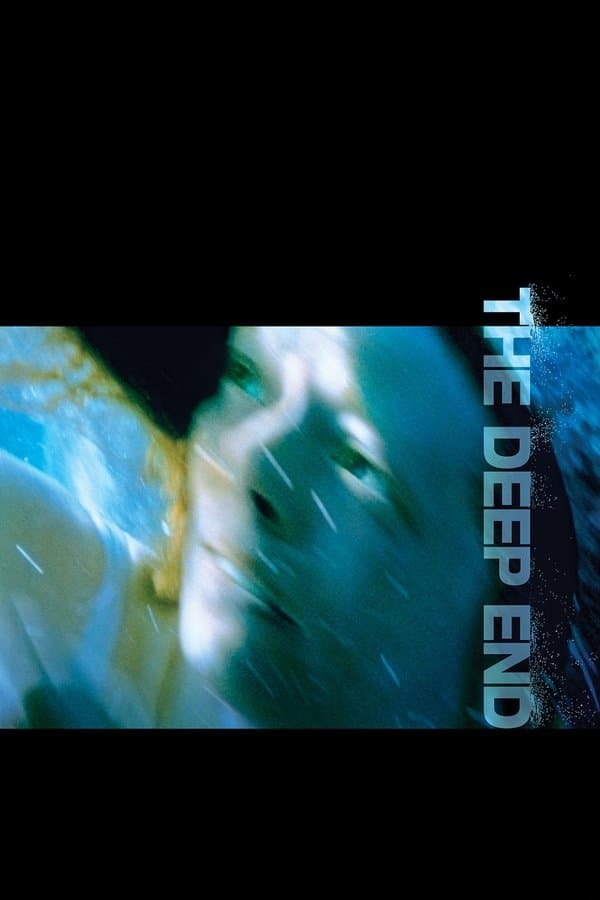
The Deep End
2001 • Crime, Drama, Mystery, Thriller • R
With her husband Jack perpetually away at work, Margaret Hall raises her children virtually alone. Her teenage son is testing the waters of the adult world, and early one morning she wakes to find the dead body of his gay lover on the beach of their rural lakeside home. What would you do? What is rational and what do you do to protect your child? How far do you go and when do you stop?
Runtime: 1h 41m
Buy related books from Amazon
As an Amazon Associate I earn from qualifying purchases. Read the full disclosure.
Why you should read the novel
Before you watch The Deep End (2001), discover The Blank Wall by Elisabeth Sanxay Holding—the taut psychological suspense classic that inspired it. Holding’s razor-sharp prose and relentless tension deliver an intimate, haunting portrait of a parent pushed to the brink.
Reading the novel gives you the original blueprint: deeper interiority, richer motives, and a wartime domestic setting that heightens every moral compromise. Fans of domestic noir, crime fiction, and psychological thrillers will find layered character work the film can only suggest on screen.
Praised for her mastery of suspense, Holding builds dread from ordinary life with chilling precision. Choose the book to experience the full complexity behind The Deep End—then appreciate the film as a compelling, modern variation.
Adaptation differences
The most striking change is the child at the story’s center: Holding’s novel features a daughter, while the film reframes the crisis around a son whose secret relationship adds modern social stakes. That shift alters themes of reputation, sexuality, and parental protection, creating different pressures and conflicts.
Time and place also diverge. The novel unfolds in mid-20th-century wartime America, amplifying isolation and moral strain, while the movie relocates events to contemporary Lake Tahoe, where technology, mobility, and law enforcement responses reshape how danger escalates and how secrets are kept.
The mechanics of blackmail are updated. In the book, compromising letters drive the extortion; in the film, it’s damning video evidence. Names and backgrounds change too: the sympathetic blackmailer figure (Donnelly in the source) becomes Alek Spera, whose partnership with a more brutal accomplice reframes power dynamics and class/immigrant undertones.
Tone and resolution differ in emphasis. Holding’s novel is intensely interior and claustrophobic, steeped in domestic detail and psychological unease; the film externalizes that tension through moody visuals and physical jeopardy. Both reach sacrifice and reckoning, but the movie leans into redemptive shading and kinetic confrontation, while the book’s ending reads more bleakly pragmatic and morally ambiguous.
The Deep End inspired from
The Blank Wall
by Elisabeth Sanxay Holding