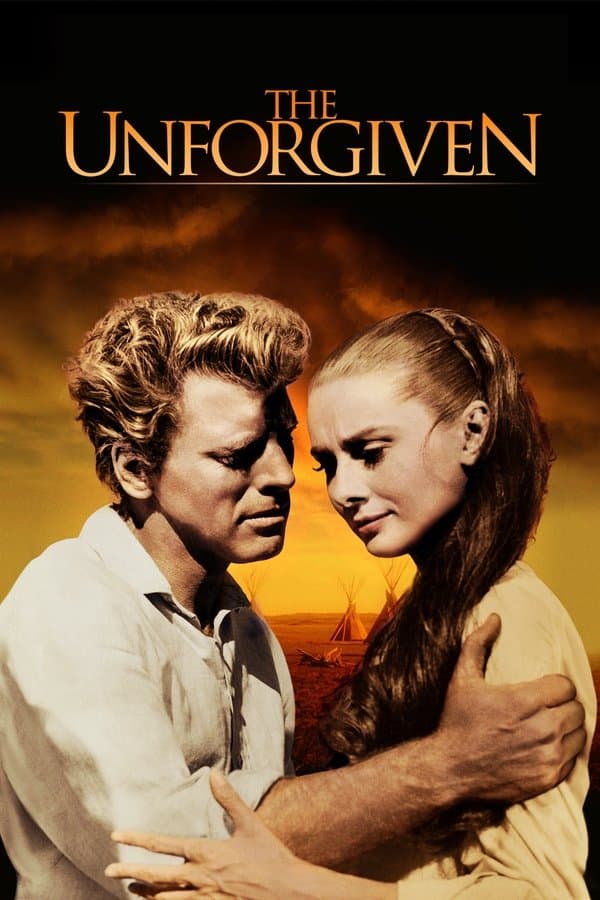
The Unforgiven
1960 • Drama, Romance, Western • NR
The neighbors of a frontier family turn on them when it is suspected that their beloved adopted daughter was stolen from the Kiowa tribe.
Runtime: 2h 5m
Buy related books from Amazon
As an Amazon Associate I earn from qualifying purchases. Read the full disclosure.
Why you should read the novel
Discover the original power of The Unforgiven by Alan Le May, a frontier novel whose layered portrait of belonging, blood, and home eclipses any two-hour screen retelling. Reading the source reveals the full moral complexity beneath the legend.
In Le May's crisp, unshowy prose, the prairie becomes a living presence, and every choice carries weight. You gain interiority, folklore, and social currents the film can only hint at, with nuanced perspectives shaped by the land and the era.
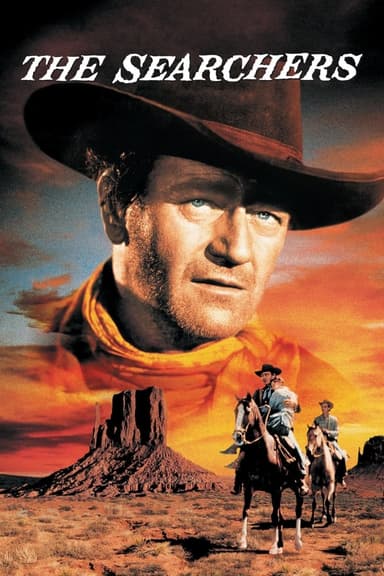
Read The Unforgiven book for deeper character motivations, richer historical texture, and a slower, more immersive build. Perfect for Western literature fans, book clubs, and readers who loved The Searchers and want the authentic voice behind the story.
Adaptation differences
Differences between The Unforgiven book and movie begin with scope and emphasis. The 1960 adaptation favors streamlined pacing and cinematic spectacle, while Alan Le May's novel lingers on community tensions, prejudice, and frontier ethics with patient, reflective detail.
Characterization shifts noticeably in the book vs film comparison. On screen, events center tightly on the protective eldest brother and high-stakes confrontations; the novel distributes its attention across the family and townspeople, revealing layered motives through interior thought and quieter interactions.
Structure and incidents also diverge. The film condenses timelines, merges or omits minor figures, and spotlights dramatic set pieces; the novel builds atmosphere chapter by chapter, layering rumor, mistrust, and negotiation to give the Kiowa–settler conflict broader cultural and historical context.
Tone and resolution differ as well. The movie pushes toward clear catharsis and intense action, whereas the book sustains ambiguity and aftermath, emphasizing cost, complicity, and the lingering moral shadow of choices long after the final page.
The Unforgiven inspired from
The Unforgiven
by Alan Le May