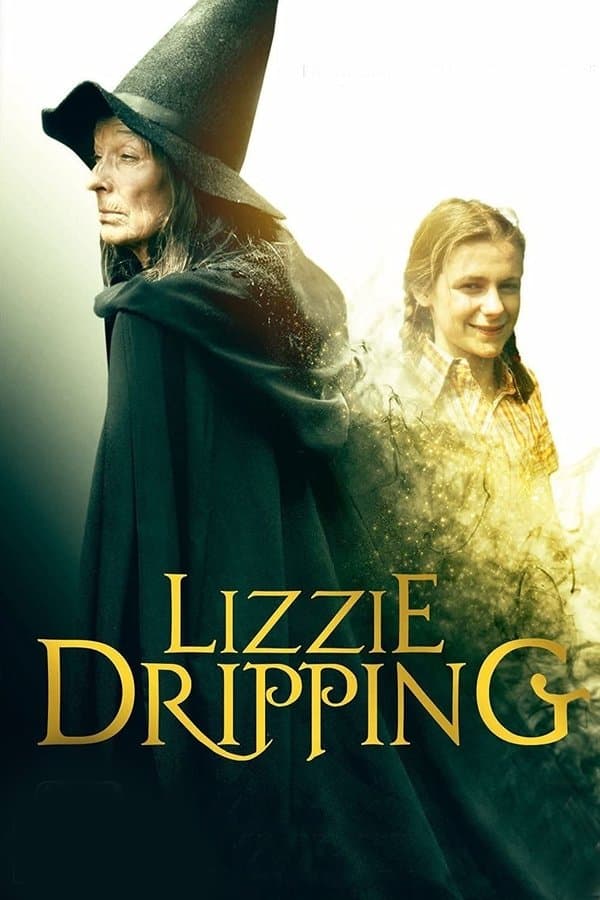
Lizzie Dripping
1973 • Sci-Fi & Fantasy
Lizzie Dripping was a British television children's programme produced by the BBC in 1973 and 1975. It was written by Helen Cresswell and set in the country village of Little Hemlock, where a young girl, Penelope, with a vivid imagination encounters a local witch whom only she can see and hear. This singular ability is further complicated by the fact that Penelope has established a reputation for being an imaginative liar, making it even more difficult for her to convince others that her witch is real.
Buy related books from Amazon
As an Amazon Associate I earn from qualifying purchases. Read the full disclosure.
Why you should read the novels
Before you press play on the 1973 TV series, discover Helen Cresswell’s original Lizzie Dripping books. Her witty, first-person storytelling pulls you straight into Penelope’s head, where imagination and reality tangle in ways no screen can fully capture.
Cresswell’s prose paints the English countryside, village gossip, and childhood scrapes with warmth and precision. If you love British children’s classics, the Lizzie Dripping book series offers richer character depth, lyrical detail, and a delicious ambiguity around the witch that fuels curiosity page after page.
For parents, educators, and nostalgic readers seeking timeless children’s literature, these Helen Cresswell novels are a perfect choice. Read the source to experience the original voice, subtleties, and themes that inspired the show—and see why the books remain enduring favorites.
Adaptation differences
The books unfold largely through Penelope’s inner voice, which makes her daydreams, fibs, and flashes of honesty feel intimate and complex. On television, much of that interior wit has to be externalized through dialogue and action, shifting the balance from introspection to observation.
Cresswell’s novels keep the witch tantalizingly ambiguous—possibly real, possibly a projection of a lively mind. The series gives the witch a distinct on-screen presence, costumes, and visual gags, nudging viewers toward a more concrete reading and reducing the interpretive space readers enjoy in the text.
Structurally, the TV version favors self-contained, episodic adventures and adds or expands village and school moments to suit broadcast pacing. The books build tighter narrative through-lines and character motivations, letting small choices echo across chapters rather than resetting tension each episode.
Tonally, the novels lean more reflective and gently subversive, with sharper observations about adults, truth-telling, and a child’s reputation as a “Lizzie Dripping” (a daydreamer). The adaptation softens some edges, streamlines conflicts, and tends toward clearer resolutions, while the books are happier to leave certain mysteries and emotions intriguingly unresolved.
Lizzie Dripping inspired from
Lizzie Dripping
by Helen Cresswell
Lizzie Dripping and the Witch
by Helen Cresswell