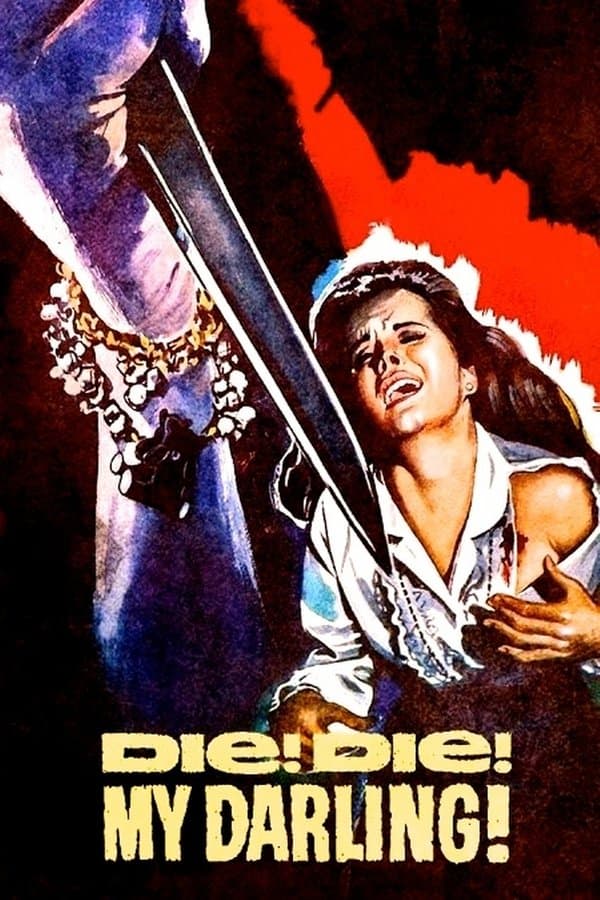
Fanatic
1965 • Horror, Mystery, Thriller
A young woman is terrorized by her former fiance's demented mother who blames her for her son's death. Also known as Die! Die! My Darling!
Runtime: 1h 37m
Buy related books from Amazon
As an Amazon Associate I earn from qualifying purchases. Read the full disclosure.
Why you should read the novel
Before you watch Fanatic (1965) — also known as Die! Die! My Darling! — discover the source: Nightmare by Anne Blaisdell. The novel delivers intimate psychological suspense, unfolding terror through nuance, interiority, and atmosphere that a screen adaptation can only hint at.
Nightmare lets you live inside the characters’ fears and moral uncertainties, rendering religious zeal, grief, and control with unsettling subtlety. Blaisdell’s lean prose and steady escalation create a slow-burn dread that rewards careful reading far beyond jump scares.
If you enjoy British Gothic vibes and Hammer-style tension, reading the novel first enriches everything you’ll see on screen. Experience the original vision as the author intended, then compare it with the film’s striking but different interpretation.
Adaptation differences
Fanatic (1965) reframes Anne Blaisdell’s Nightmare through Hammer’s colorful, heightened Gothic lens. The film favors bold visuals, emphatic music cues, and set-piece shocks, while the book is a taut psychological thriller that builds unease through quiet detail and internal conflict.
Characterization shifts noticeably. The novel invests deeply in the protagonist’s inner monologue—guilt, doubt, and second-guessing—whereas the movie trims introspection and emphasizes the antagonist’s outward fanaticism. Supporting roles are amplified on screen to generate tension and momentum, while the book stays tightly focused on the captor–captive dynamic.
Structure and pacing change for cinema. The film condenses timelines, rearranges incidents, and adds more overt peril to maintain kinetic suspense. By contrast, the novel lingers on isolation, routines, and manipulation, using small, incremental turns of the screw to create claustrophobia.
The endings and thematic emphases diverge as well. Fanatic (1965) opts for a more sensational, action-centered climax, in keeping with its genre trappings. Nightmare resolves on a quieter, more psychologically resonant note, underlining moral ambiguity and the lingering costs of obsessive belief rather than spectacle.
Fanatic inspired from
Nightmare
by Anne Blaisdell