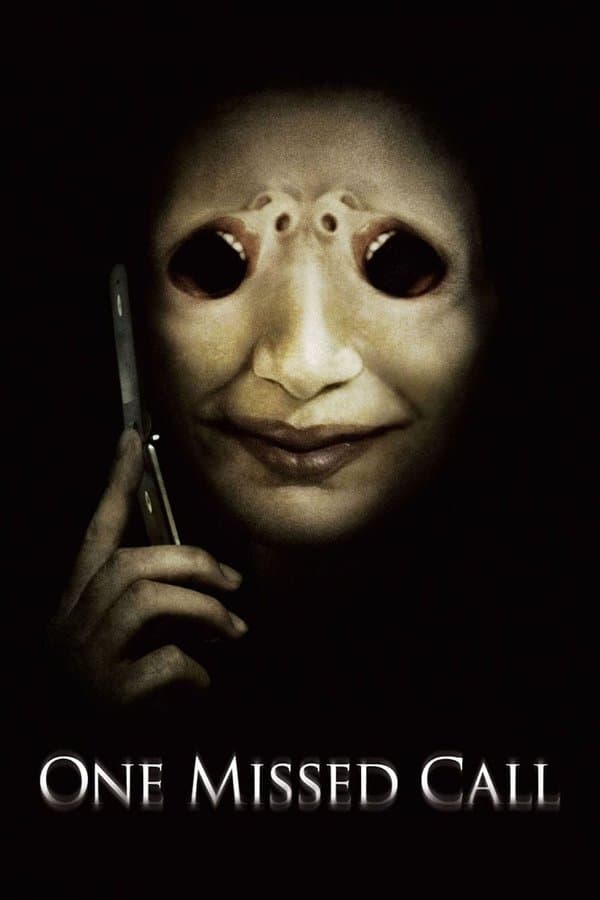
One Missed Call
2008 • Horror, Mystery, Thriller • PG-13
Several people start receiving voice-mails from their future selves -- messages which include the date, time, and some of the details of their deaths.
Runtime: 1h 27m
Buy related books from Amazon
As an Amazon Associate I earn from qualifying purchases. Read the full disclosure.
Why you should read the novel
Before you stream the 2008 remake, discover the chilling origins in the One Missed Call novel by Yasushi Akimoto. The source book builds dread through atmosphere, folklore-infused clues, and psychological unease that a quick-cut scare can’t match. Reading the original lets you experience the idea exactly as it was conceived—intimate, lingering, and unnervingly plausible.
Fans of Japanese horror fiction will appreciate how the novel threads everyday technology into old-world fear. Akimoto’s pacing, cultural nuance, and investigative beats turn every ringtone and missed connection into a creeping omen. If you loved the premise on screen, the book’s slow-burn tension and layered world-building deliver a deeper, richer terror.
For readers seeking the definitive One Missed Call experience, look for an authorized English translation or edition of the novel to grasp its full intent. Exploring the book first means encountering the themes, character motivations, and folklore subtext that later adaptations simplify. Start with the page, then compare the movie through the lens of the original vision.
Adaptation differences
One Missed Call (2008) is an Americanized remake of a Japanese story, and that shift alone changes tone and texture. The novel’s terror is rooted in contemporary Japan—urban legends, yūrei-inflected atmosphere, and early mobile-culture unease—while the film relocates the concept to a U.S. setting and streamlines cultural signifiers. This relocation emphasizes immediacy and spectacle over the book’s quiet, accumulating dread.
Akimoto’s novel dwells inside characters’ heads, building fear from interior monologue, rumor, and gradual investigation. The 2008 movie trims introspection for momentum, compressing relationships and backstories to keep scares frequent. Where the book methodically unpacks motives and consequences, the film prefers quick reveals, visual shocks, and clearer villainy.
Structurally, the novel unfolds like a mystery threaded with social commentary, letting clues, coincidences, and urban lore grow organically. The adaptation accelerates the countdown mechanics and heightens set pieces, favoring jump scares, louder sound cues, and polished effects. That shift alters how tension works: the page sustains unease; the screen delivers peaks and valleys designed for PG-13 thrills.
The novel leans into ambiguity and moral complexity, inviting readers to question causation, culpability, and the price of attention in a hyperconnected world. The film tightens explanations and resolution, giving more explicit answers and a firmer final confrontation. If you want the story’s full thematic breadth and unsettling aftertaste, the book offers layers the adaptation condenses.
One Missed Call inspired from
One Missed Call (Chakushin Ari)
by Yasushi Akimoto