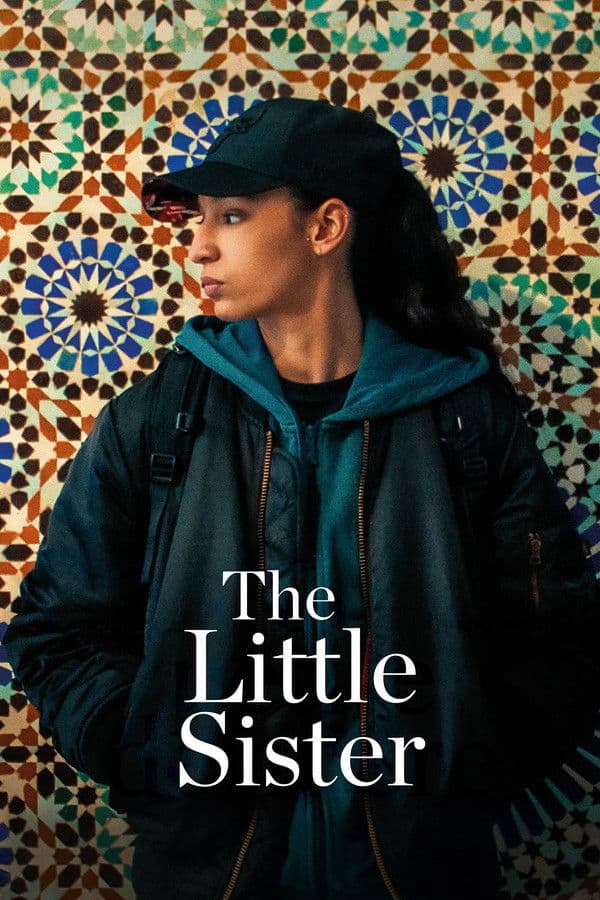
The Little Sister
2025 • Drama, Romance
Fatima, 17, the youngest daughter of a French-Algerian family in a Paris suburb, leaves school for a prestigious prep class. She plays football, has a secret boyfriend, but hides that she loves women. In Paris, new freedoms clash with family tradition and faith, forcing her to find her own path.
Runtime: 1h 52m
Buy related books from Amazon
As an Amazon Associate I earn from qualifying purchases. Read the full disclosure.
Why you should read the novel
Before you watch The Little Sister (2025), immerse yourself in Raymond Chandler’s The Little Sister—the quintessential Philip Marlowe novel. It’s a hardboiled classic where Hollywood’s glamour and grit collide, the dialogue crackles, and the mystery coils tighter with every page.
Reading The Little Sister book by Raymond Chandler puts you inside Marlowe’s head—his sardonic humor, moral compass, and razor-sharp observations—delivered through unmatched prose. No screen can fully replicate the rhythm, voice, and atmospheric detail that make this detective fiction landmark unforgettable.
If you crave classic noir, Los Angeles crime fiction, and a masterclass in suspenseful storytelling, start with the source. The Little Sister novel delivers richer character nuance, deeper social satire, and a more haunting payoff than any adaptation can offer.
Adaptation differences
As of now, detailed, verified scene-by-scene differences for the 2025 movie have not been publicly confirmed. Historically, screen versions of The Little Sister compress the novel’s layered plotlines and streamline or relocate key settings to keep the runtime taut and the narrative momentum high.
Expect reduced interior monologue. Chandler’s first-person narration defines Philip Marlowe’s voice—his weary wit, moral reflections, and razor-edged observations. Films typically externalize this with dialogue, selective voiceover, or visual shorthand, which can soften the novel’s introspective bite and reshape the pacing of revelations.
Character arcs and relationships are often consolidated. Side figures orbiting Orfamay Quest and the Hollywood studio ecosystem may be merged, minimized, or reimagined, altering motivations and trimming the novel’s commentary on publicity machines, fixers, and industry power brokers. This can change how clues connect and how betrayals land.
Tone and ending frequently shift in adaptation. To suit contemporary sensibilities and ratings, filmmakers may modulate violence, sand down the darker cynicism, or clarify the denouement—sometimes trading Chandler’s morally gray, ambiguous resolution for a cleaner, more definitive cinematic closure.
The Little Sister inspired from
The Little Sister
by Raymond Chandler