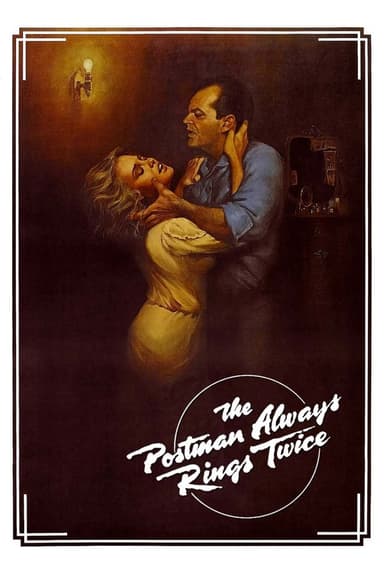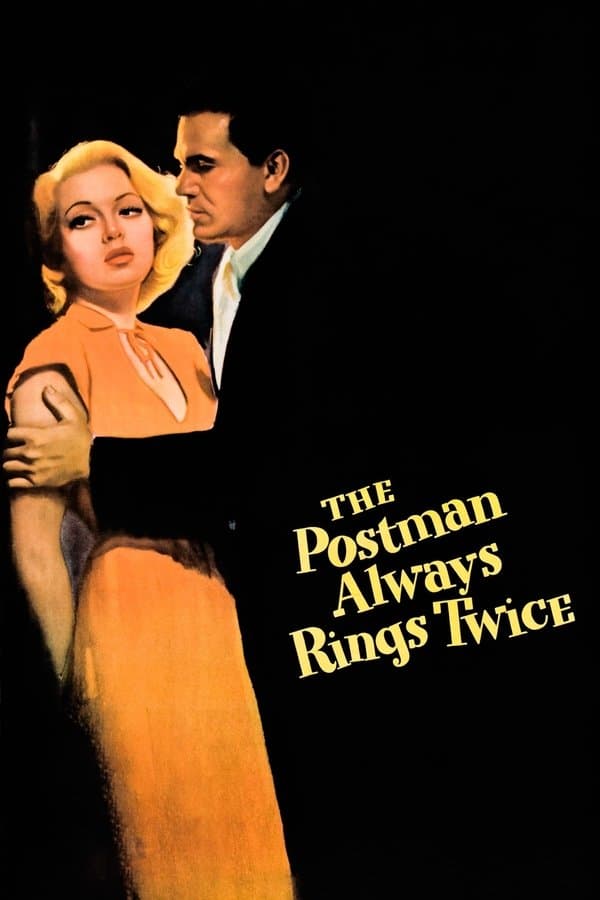
The Postman Always Rings Twice
1946 • Crime, Drama, Romance, Thriller • NR
A married woman and a drifter fall in love, then plot to murder her husband.
Runtime: 1h 53m
Buy related books from Amazon
As an Amazon Associate I earn from qualifying purchases. Read the full disclosure.
Why you should read the novel
Experience James M. Cain's The Postman Always Rings Twice as it was meant to be—on the page. The novel’s raw, hardboiled energy and classic noir atmosphere outpace any screen adaptation, including the 1946 film.
Cain’s terse first-person voice pulls you inside Frank’s head, delivering psychological tension, desire, and dread the movie can only suggest. Every line is lean, propulsive, and unforgettable—perfect for fans of noir literature and crime fiction.
If you are deciding book vs movie, choose the source novel. Reading the original gives richer character depth, bolder themes, and uncompromised grit. For the definitive The Postman Always Rings Twice experience, read the book.
Adaptation differences
Censorship and the Production Code reshaped the 1946 movie. The novel’s sexuality, violence, and bleak fatalism are frank and unsettling; the film softens, moralizes, and ensures a clearer sense that crime does not pay.
Book vs movie narrative: the novel is a stark first-person confession from Frank, steeped in motive, guilt, and desire. The film shifts to external action, courtroom theatrics, and a more objective lens, reducing the intimate psychological access readers get on the page.
Characterization differs. In Cain’s book, Cora is fiercer and more ruthless; Frank is more predatory and opportunistic. The film humanizes both, trims their roughest edges, and even downplays the husband’s Greek identity (Nick Papadakis becomes Nick Smith), changing cultural texture and tension.
Plot mechanics are streamlined on screen. The novel features multiple murder schemes, including an aborted bathtub electrocution and grimmer legal gambits; the 1946 adaptation omits or condenses these elements and guides the finale toward clearer moral reckoning rather than the book’s starker, more ambiguous fatalism.
The Postman Always Rings Twice inspired from
The Postman Always Rings Twice
by James M. Cain