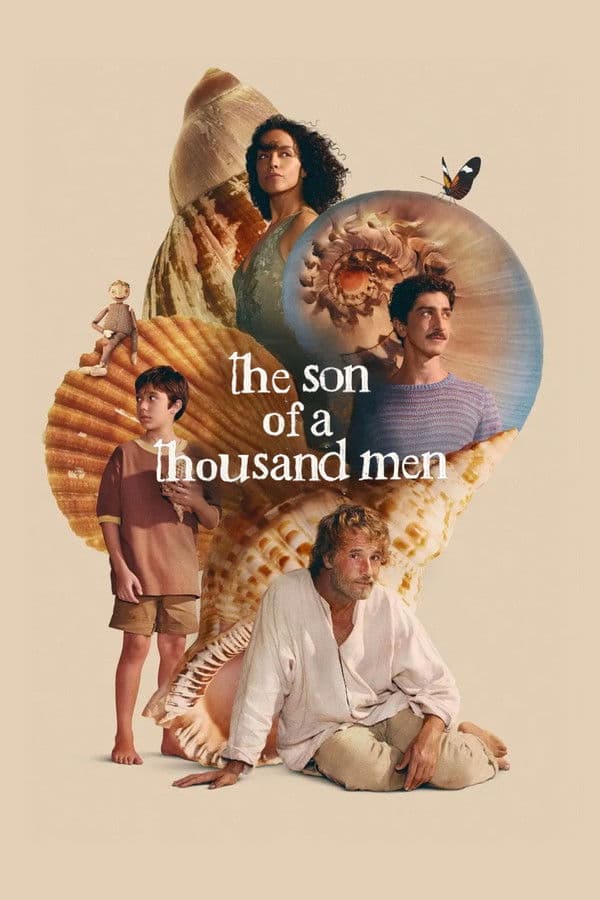
The Son of a Thousand Men
2025 • Drama • R
In a small village, a lonely fisherman yearning for a son is drawn to an ethereal light that links him to others and their long-buried secrets.
Runtime: 2h 6m
Buy related books from Amazon
As an Amazon Associate I earn from qualifying purchases. Read the full disclosure.
Why you should read the novel
Before you watch any adaptation, experience The Son of a Thousand Men as Valter Hugo Mãe wrote it. The book’s lyrical voice, intimate interiority, and humane empathy offer layers of meaning that no two-hour film can fully capture. If you value beautiful sentences and a contemplative reading experience, the novel delivers unforgettable depth.
Reading the book lets you inhabit the characters’ silences, doubts, and hopes, exploring themes of fatherhood, belonging, and found family with a tenderness that rewards slow reflection. The Son of a Thousand Men book invites you to linger in moments a movie must rush, letting nuance, symbolism, and cultural texture unfold at the right pace.
For readers searching “The Son of a Thousand Men book vs movie,” the answer is simple: start with the novel. You’ll gain a richer understanding of the story’s heart, then appreciate any adaptation as a companion piece. Borrow it from your library or buy a copy to keep; this is a story you’ll want to revisit and share.
Adaptation differences
As of my latest update, detailed information about a 2025 film adaptation of The Son of a Thousand Men has not been publicly verified, so confirmed one-to-one differences are not available. That said, readers comparing “The Son of a Thousand Men book vs movie” can anticipate the usual adaptation trade-offs: literary interiority and lyrical language are often condensed when translated to screen.
Expect the film to externalize what the novel lets you feel internally. Valter Hugo Mãe’s prose invites close reading—its rhythms, metaphors, and quiet revelations build meaning line by line. A movie typically conveys those layers through visuals, performance, pacing, and score, which can be powerful but rarely replicate the same intimacy of the book’s voice.
Runtime constraints often reshape structure. Subplots may be trimmed, timelines compressed, and minor characters combined to maintain momentum. If you value the novel’s rich side stories and gradual character development, the book provides more room for nuance than most cinematic versions can afford.
Tone and emphasis can also shift in adaptation. A film might highlight dramatic turning points or broaden appeal with clearer exposition, while the novel leans into tenderness, ambiguity, and quiet moral complexity. Even if the movie remains faithful, the book’s thematic breadth—belonging, chosen family, and the dignity of ordinary lives—comes through more fully on the page.
The Son of a Thousand Men inspired from
The Son of a Thousand Men
by Valter Hugo Mãe