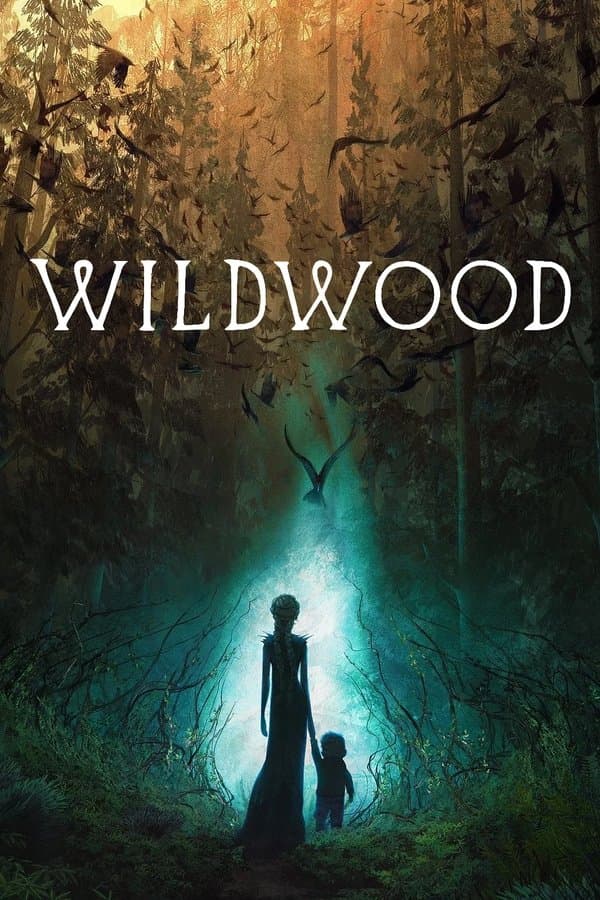
Wildwood
2026 • Adventure, Animation, Family, Fantasy
Prue and her classmate Curtis are drawn into a forbidden magical forest filled with enchanted creatures, loyal allies, and formidable adversaries as they embark on a desperate quest to save Prue’s kidnapped baby brother, Mac, from the crows led by a mysterious woman named Alexandra.
Buy related books from Amazon
As an Amazon Associate I earn from qualifying purchases. Read the full disclosure.
Why you should read the novel
Before you see Wildwood (2026) on the big screen, immerse yourself in the captivating world of the source novel Wildwood by Colin Meloy and Carson Ellis. The book offers readers rich, imaginative storytelling and evocative artwork that bring the mysterious Impassable Wilderness to life in a way no film can fully capture. Exploring Wildwood's pages lets you experience every magical twist and emotional turn directly as envisioned by the creators, offering a far deeper connection than any cinematic adaptation. Reading the original novel allows you to uncover the layers of intrigue, character backgrounds, and world-building that the movie may only hint at, making your adventure in Wildwood unforgettable. Discover the inspirations behind the movie and enrich your appreciation by turning to the pages of Wildwood first.
Adaptation differences
One of the main differences between the Wildwood movie adaptation and the original novel is the level of detail provided about the magical ecosystem of the Impassable Wilderness. While the book provides lush descriptions and intricate backgrounds for its fantasy world, the movie streamlines many of these aspects to maintain pacing and visual storytelling, resulting in a more condensed version of the environment. Another significant change is seen in character development. The novel delves deep into Prue’s internal struggles and offers extensive backstories for both primary and secondary characters, whereas the movie adaptation often focuses on key plot points and visual drama, sometimes omitting or glossing over nuanced character arcs. Additionally, fans of the book may notice that certain subplots and supporting characters, which add layers of complexity and charm to the written narrative, are either modified or removed in the film version to simplify the storyline. Lastly, the tone and style differ between the two mediums; Carson Ellis’s distinctive illustrations in the book provide a whimsical and textured visual experience, which contrasts with the animation style and cinematic flair of the movie. These differences mean that reading Wildwood before or after watching the adaptation offers a unique and enriching perspective.
Wildwood inspired from
Wildwood
by Colin Meloy, Carson Ellis