Black Beauty
1978 • Drama
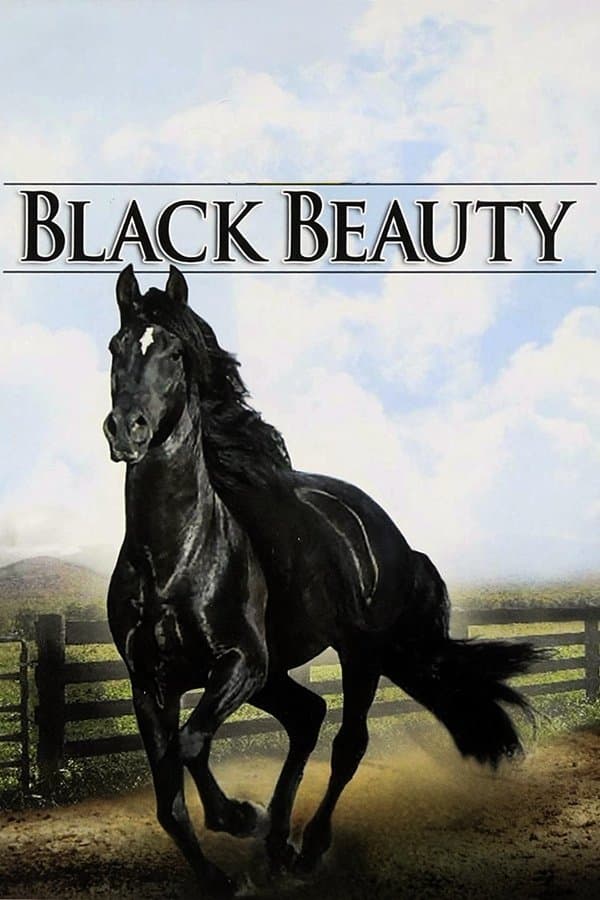
Born free in the American West, Black Beauty is a horse rounded up and brought to Birtwick Stables, where she meets spirited teenager Jo Green. The two forge a bond that carries Beauty through the different chapters, challenges and adventures.
Buy related books from Amazon
As an Amazon Associate I earn from qualifying purchases. Read the full disclosure.
Why you should read the novel
Before pressing play, discover the heart of the story in Anna Sewell’s Black Beauty, the enduring Victorian classic that inspired every screen version. The novel’s compassionate voice, told directly by the horse himself, offers an intimate perspective no TV series can replicate.
Reading Black Beauty places you inside the stables, lanes, and bustling streets of 19th‑century England, revealing the social history, working conditions, and animal-welfare reforms that defined the era. Sewell’s clear, humane message shaped real-world attitudes—something best felt on the page.
If you love the TV series, the book delivers richer stakes, deeper empathy, and a complete journey through Beauty’s changing homes and handlers. Experience the original language, moral clarity, and unforgettable scenes that adaptations can only hint at—read Black Beauty by Anna Sewell first.
Adaptation differences
Point of view and voice: The novel Black Beauty is narrated in first person by the horse, creating a uniquely empathetic, conversational voice. Most TV adaptations, including the 1970s-era series, shift to an external viewpoint focused on human characters, losing Beauty’s introspective commentary and moral sensitivity.
Structure and scope: Sewell’s book follows Beauty through multiple owners and environments—from country estates to harsh urban cab work—exposing systemic cruelty (such as the bearing rein) and the realities of Victorian labor. The TV series typically anchors Beauty with a recurring household and tells self-contained weekly adventures, narrowing the social range and minimizing the novel’s sweeping life journey.
Tone and themes: The novel emphasizes reform-minded animal welfare, class dynamics, and everyday kindness versus neglect. Family-friendly television often softens or compresses the harsher episodes—fewer grueling work sequences, reduced physical risk, and a brighter tone—prioritizing wholesome adventure over Sewell’s sharper advocacy.
Characters and continuity: On the page, recurring human figures appear and depart as Beauty is sold or transferred, underscoring the fragility of a horse’s fate. In the series, stable casts, invented subplots, and guest-of-the-week dilemmas create continuity and accessibility for viewers, but they depart from the book’s episodic realism and the moral weight of Beauty’s changing circumstances.
Black Beauty inspired from
Black Beauty
by Anna Sewell