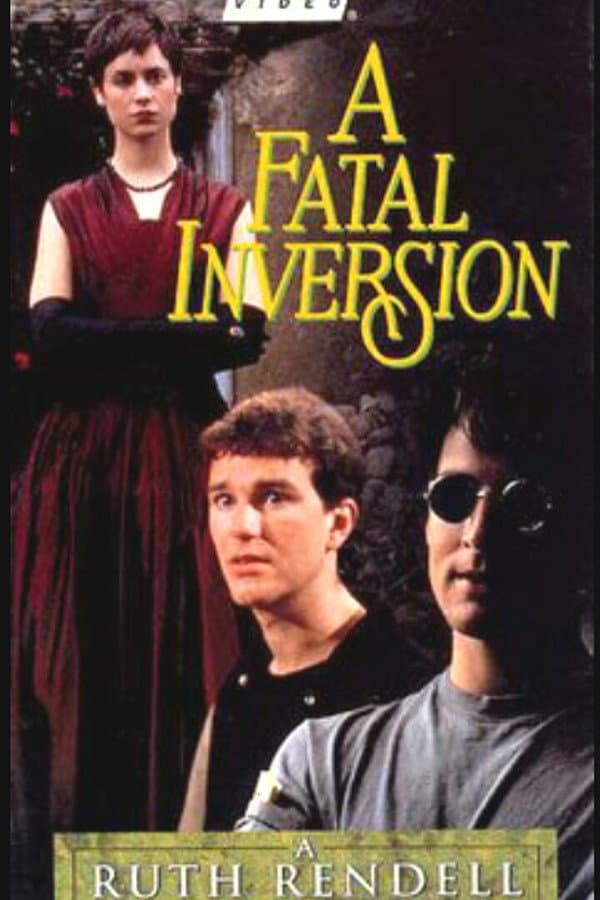
A Fatal Inversion
1992 • Thriller
Adaptation of the Barbara Vine (aka Ruth Rendell) novel. After Adam inherits a country house from his great uncle, he and his friend Rufus decide to spend the summer there instead of abroad. An odd assortment of 'house guests' turns up through different means and it's an uneasy mix at best. A decade afterwards, the bodies of a young woman and an infant are discovered in the woods behind the house. As the police investigate, they naturally look to Adam as former owner of the house, and what happened all those years before starts to catch up with him.
Runtime: 3h
Buy related books from Amazon
As an Amazon Associate I earn from qualifying purchases. Read the full disclosure.
Why you should read the novel
Many discover A Fatal Inversion through the 1992 adaptation, but the A Fatal Inversion book by Barbara Vine delivers a deeper psychological thriller experience than any screen version. The novel’s intimate access to conflicted minds, buried secrets, and corrosive guilt turns every page into a fresh layer of tension.
In the book, dual timelines, an oppressive heatwave, and unreliable memories build a slow-burn mystery that rewards close reading. Barbara Vine’s prose saturates the story with atmosphere, class unease, and moral ambiguity, creating an immersive crime novel that lingers long after the final chapter.
If you love atmospheric crime fiction, read the original novel A Fatal Inversion by Barbara Vine (Ruth Rendell) to experience the full intensity the adaptation can only hint at. Choose the source material for richer motives, sharper twists, and a haunting resolution that feels earned and unforgettable.
Adaptation differences
Structure and pacing: The 1992 adaptation streamlines the book’s layered, memory-driven narrative into a clearer, faster chronology. On the page, shifting recollections and carefully placed gaps in memory build dread; on screen, events are reordered and condensed to sustain momentum within limited runtime.
Point of view and psychology: The novel’s power comes from interiority—conflicted thoughts, rationalizations, and self-deception that shape what readers learn and when. The adaptation necessarily externalizes this through dialogue and visual cues, reducing the intimate psychological shading and the subtlety of unreliable narration.
Characters and subplots: The book devotes more space to backstories, social context, and secondary figures whose choices intensify the central mystery. The screen version compresses or amalgamates minor roles, trims subplots, and simplifies relationships, which clarifies the plot but narrows the range of motives and moral complexity.
Theme and tone: On the page, themes of class privilege, inheritance, youthful transgression, and long-haul guilt are developed through recurring images, motifs, and slow-burn reveals. The adaptation emphasizes visual atmosphere and key plot beats, offering clearer closure; the novel leaves a more lingering, disquieting aftertaste that invites reflection after the final scene.
A Fatal Inversion inspired from
A Fatal Inversion
by Barbara Vine (Ruth Rendell)