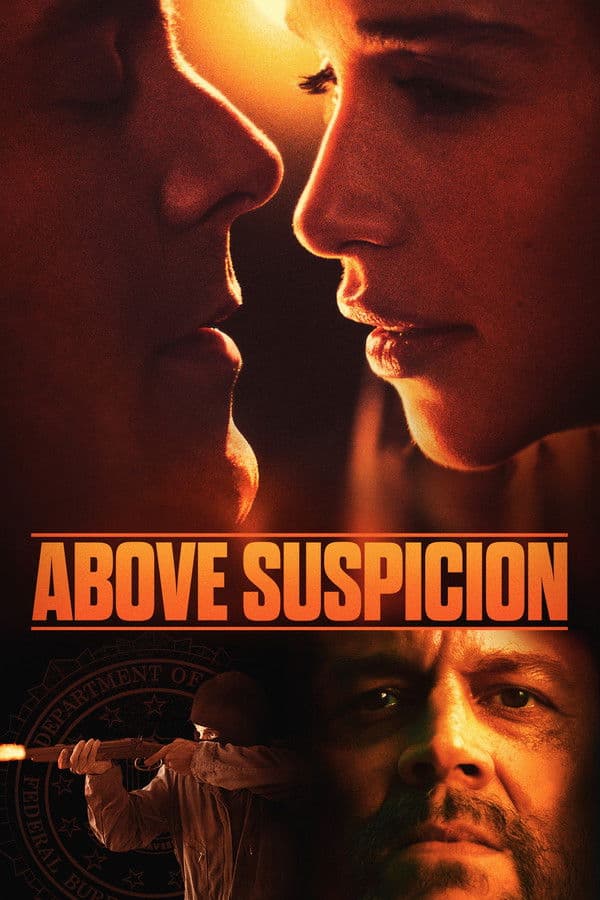
Above Suspicion
2019 • Action, Crime, Thriller • R
The chilling true story of a newly married FBI poster boy assigned to an Appalachian mountain town in Kentucky. There he is drawn into an illicit affair with an impoverished local woman who becomes his star informant. She sees in him her means of escape; instead, it's a ticket to disaster for both of them.
Runtime: 1h 44m
Buy related books from Amazon
As an Amazon Associate I earn from qualifying purchases. Read the full disclosure.
Why you should read the novel
Before you press play on the 2019 film, discover the definitive account in Joe Sharkey’s Above Suspicion, the acclaimed true-crime book that inspired the movie. This gripping narrative delivers the full, unfiltered story behind the headlines, built on deep reporting, first-hand interviews, and meticulous documentation that a two-hour thriller simply cannot match.
Sharkey’s book immerses you in the social and economic realities of Appalachian Kentucky, unpacking the pressures, choices, and systemic failures that set this tragedy in motion. If you crave context, nuance, and the complex human truths driving the case, the book is the indispensable source.
For true-crime readers and fans of investigative nonfiction, Above Suspicion offers psychological insight, legal clarity, and the complete timeline of events from first contact to aftermath. Read the book to understand not just what happened, but why it happened—and what it meant for everyone involved.
Adaptation differences
The Above Suspicion movie streamlines a sprawling, years-long case into a tight, noir-flavored thriller, while Joe Sharkey’s book is an investigative deep dive. The film often centers the story through the informant’s posthumous perspective and voice-over, emphasizing mood and fatal romance, whereas the book maintains a reported, documentary tone that triangulates multiple viewpoints with sourcing and legal records.
Scope is another major difference. The book details Appalachian social context, FBI informant protocols, local law enforcement dynamics, and the regional economy that shaped decisions on both sides. The adaptation compresses timelines, trims secondary figures, and blends or condenses incidents for pacing, prioritizing character-driven suspense over the procedural complexity that the book lays out.
Legal and investigative specifics are far richer in the book. Sharkey traces the investigation, confession, plea negotiations, and sentencing with dates, documentation, and aftermath, following the ripple effects well beyond the crime. The film condenses courtroom and post-case developments, relying on brief sequences or closing text to summarize outcomes that the book unpacks across chapters.
Characterization and theme also diverge. Sharkey’s reporting aims for balanced psychological profiles and a systemic critique of how power, poverty, and policy collide. The movie heightens noir tension and tragic romance, sharpening conflicts and staging key confrontations for cinematic impact. Expect composite characters, altered sequencing, and heightened moments in the film, while the book provides granular detail, ambiguity, and context that resist simple heroes or villains.
Above Suspicion inspired from
Above Suspicion
by Joe Sharkey