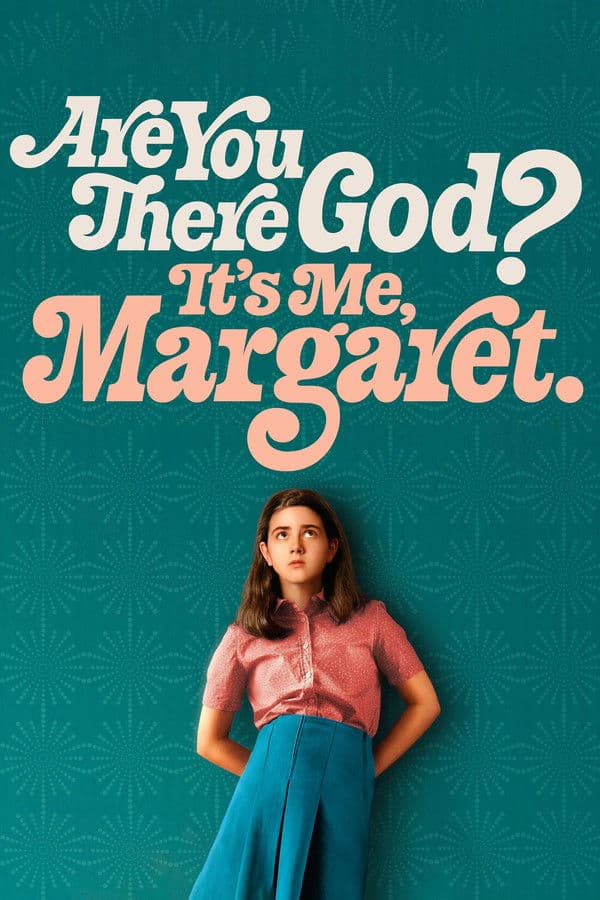
Are You There God? It's Me, Margaret.
2023 • Comedy, Drama • PG-13
When her family moves from New York City to New Jersey, an 11-year-old girl navigates new friends, feelings, and the beginning of adolescence.
Runtime: 1h 46m
Buy related books from Amazon
As an Amazon Associate I earn from qualifying purchases. Read the full disclosure.
Why you should read the novel
Before pressing play, experience the honest, timeless voice of Judy Blume’s Are You There God? It’s Me, Margaret. The novel’s first-person prayers invite you straight into Margaret’s heart—unfiltered, funny, and deeply true to growing up. Reading the book delivers the full intimacy of her questions about faith, friendship, and first periods in a way no camera can capture.
The original text gives you the nuance of every awkward conversation, the small triumphs, and the private doubts that shape Margaret’s year of change. Blume’s prose is crisp, compassionate, and surprisingly modern, making the book a fast, resonant read for both longtime fans and new readers discovering this classic coming-of-age story.
If you’re choosing between the movie and the source material, pick the novel first. You’ll get richer character depth, Margaret’s iconic inner voice, and the cultural context that made this book a landmark in YA literature—perfect for book clubs, parents, educators, and anyone craving an authentic, empowering read.
Adaptation differences
Book vs. movie perspective: Judy Blume’s novel unfolds entirely through Margaret’s first-person prayers, creating an intimate, confessional feel. The 2023 film retains voice-over but widens the lens, frequently stepping outside Margaret’s head to show scenes centered on her parents and grandmother. Reading the book restores the unfiltered internal journey that adaptation necessarily compresses.
Character emphasis shifts: The film notably expands Barbara’s arc—her adjustment to suburban life, pressures from school committees, and search for identity—while the novel largely keeps parental issues in the background of Margaret’s story. Likewise, Grandma Sylvia becomes a more prominent, comedic, and active presence on-screen compared with her briefer, more contained appearances in the book.
Plot configuration and set pieces: The movie streamlines school and social subplots and often combines or condenses events for pacing. It also stages a high-tension family gathering that brings religious differences into one pivotal confrontation, whereas the novel typically explores those tensions across separate visits and private conversations. Core beats—like the year-long school project and evolving friendships—remain, but with tighter, cinematic timing.
Tone, period details, and takeaways: The book felt contemporary upon its 1970 release; the film intentionally leans into 1970s nostalgia with production design, costumes, and music. Some moments are softened, reframed, or merged to suit a PG-friendly, warmly humorous tone. The novel, by contrast, offers quieter, incremental discoveries and a more sustained interiority—differences that make reading the source essential for a full, book-vs-movie understanding.
Are You There God? It's Me, Margaret. inspired from
Are You There God? It's Me, Margaret.
by Judy Blume