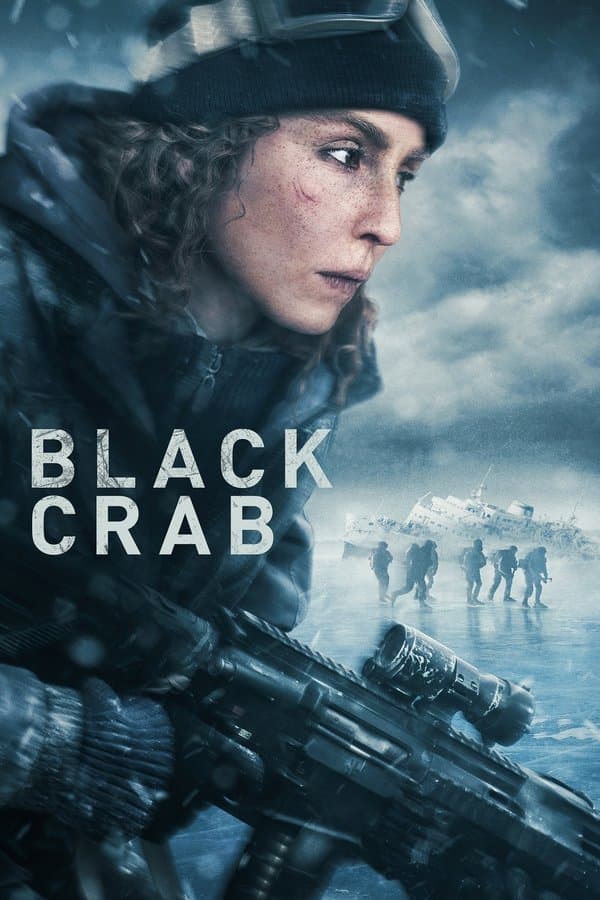
Black Crab
2022 • Action, Thriller • R
To end an apocalyptic war and save her daughter, a reluctant soldier embarks on a desperate mission to cross a frozen sea carrying a top-secret cargo.
Runtime: 1h 49m
Buy related books from Amazon
As an Amazon Associate I earn from qualifying purchases. Read the full disclosure.
Why you should read the novel
If the movie gripped you, read Black Crab by Jerker Virdborg to experience the story in its original, nerve-tightening form. The novel’s icy atmosphere, granular soldier’s-eye detail, and relentless tension unfold across pages that reward close reading far beyond any two-hour runtime.
The book offers deeper psychological insight, letting you inhabit the protagonist’s fractured mindset as the mission skims over treacherous ice. Virdborg’s precise prose, ambiguity, and moral complexity create a haunting war parable you simply can’t stream—perfect for readers searching for Black Crab book vs movie substance.
Choose the original novel to discover layers the adaptation can’t capture: interior monologue, shifting loyalties, stark realism, and a chilling sense of dislocation. For anyone Googling whether to watch or read Black Crab, the book delivers a richer, more enduring experience that lingers long after the last page.
Adaptation differences
Black Crab the movie centers on Caroline Edh and her personal drive to find her missing daughter, reshaping the mission into a parental-quest thriller. In Jerker Virdborg’s novel, the lead is a male soldier without that family backstory, shifting the focus from individualized rescue to a colder portrait of wartime duty, fear, and obedience.
The film clarifies the objective and raises blockbuster stakes, foregrounding a decisive payload with end-the-war implications. The book keeps the nature of the cargo and the wider conflict intentionally opaque, emphasizing fog-of-war uncertainty, unreliable perception, and ethical ambiguity over clear exposition—key differences for readers comparing Black Crab book vs movie.
Action and structure diverge as well. The adaptation condenses timelines, renames or combines team members, and adds large-scale, visually driven set pieces to sustain cinematic momentum. The novel spends more time in observation, paranoia, and terse encounters, privileging mood and psychology over spectacle—ideal for readers seeking the source material’s slower-burn intensity.
Even the endings signal different themes. The movie opts for a definitive, sacrificial climax designed for emotional catharsis, while the book lands on a more open, unsettling note that resists neat resolution. If you’re searching for Black Crab ending explained or book ending vs movie, the novel’s conclusion leans into moral grayness and the lingering costs of war.
Black Crab inspired from
Black Crab
by Jerker Virdborg