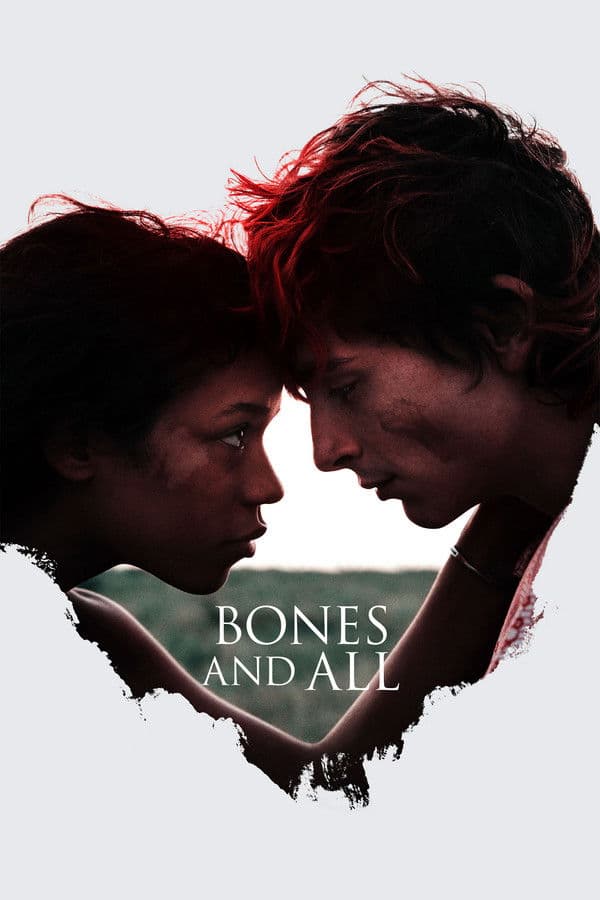
Bones and All
2022 • Drama, Horror, Romance • R
Abandoned by her father, a young woman embarks on a thousand-mile odyssey through the backroads of America where she meets a disenfranchised drifter. But despite their best efforts, all roads lead back to their terrifying pasts and to a final stand that will determine whether their love can survive their otherness.
Runtime: 2h 11m
Buy related books from Amazon
As an Amazon Associate I earn from qualifying purchases. Read the full disclosure.
Why you should read the novel
Before you stream the film, discover the original source: Bones & All by Camille DeAngelis. This acclaimed literary horror novel blends coming-of-age tenderness with unsettling appetite, delivering a voice-driven journey that’s as intimate as it is unforgettable.
Reading the book lets you live inside Maren’s mind—her memories, impulses, and hard-won insights—far beyond what any runtime can capture. DeAngelis’s sharp prose, dark wit, and compassionate gaze turn a shocking premise into a deeply human story about identity, loneliness, and the search for belonging across the American landscape.
If you love character-rich fiction, lyrical horror, and road-trip novels with moral complexity, choose the book first. Start Bones & All by Camille DeAngelis today to experience the full depth of the story the movie adapts—page-turning, thought-provoking, and impossible to shake.
Adaptation differences
Curious about the differences between the Bones and All movie and book? One of the biggest changes is period: the film relocates the story to the 1980s, bathing the journey in analog textures, rust-belt Americana, and a vintage soundtrack. The novel unfolds in a contemporary United States, shifting the cultural backdrop, technology, and mood of Maren’s odyssey.
Another key difference is storytelling perspective. Camille DeAngelis’s novel is first-person, placing you squarely inside Maren’s thoughts—her shame, yearning, and moral calculations. The film translates this inner voice into visual lyricism and performance, prioritizing atmosphere and romance over the novel’s confessional, often darkly humorous introspection.
Character emphasis and worldbuilding also diverge. The movie introduces or expands figures to externalize danger and community among “eaters,” codifying ideas like scent-based recognition and the meaning of “bones and all.” The novel treats these elements more suggestively, while exploring Maren’s family history at greater length and with different focal points than the film’s cassette-tape framing.
Finally, structure and tone shift in adaptation. The film compresses the road itinerary, rearranges encounters, and sharpens a tragic-romantic throughline, using set pieces to propel momentum. The book allows more digressions and ethical reflection, culminating in a thematically resonant finale that centers Maren’s self-understanding, whereas the movie reframes the climax to emphasize intimacy, sacrifice, and doomed love.
Bones and All inspired from
Bones & All
by Camille DeAngelis