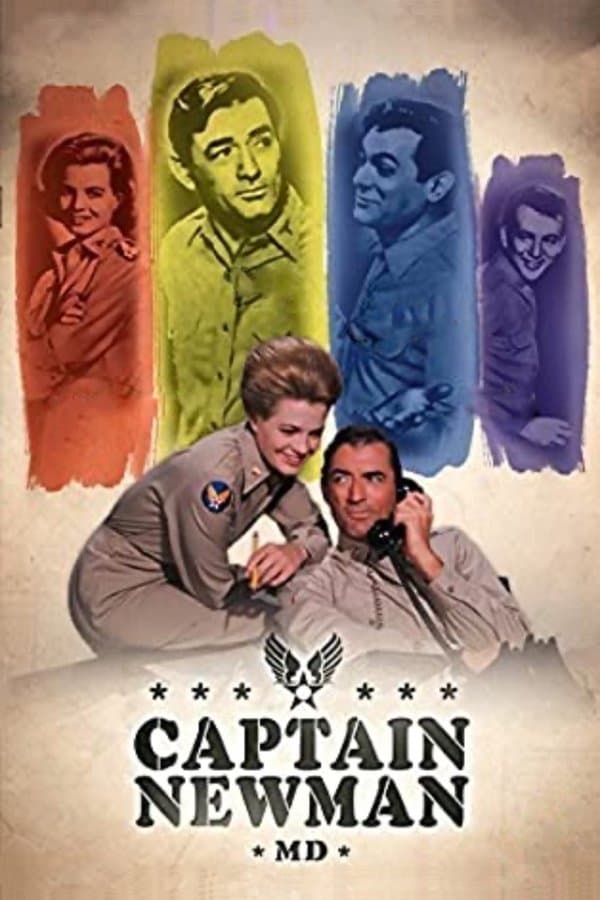
Captain Newman, M.D.
1963 • Comedy, Drama, War • NR
In 1944, Capt. Josiah J. Newman is the doctor in charge of Ward 7, the neuropsychiatric ward, at an Army Air Corps hospital in Arizona. The hospital is under-resourced and Newman scrounges what he needs with the help of his inventive staff, especially Cpl. Jake Leibowitz. The military in general is only just coming to accept psychiatric disorders as legitimate and Newman generally has 6 weeks to cure them or send them on to another facility. There are many patients in the ward and his latest include Colonel Norville Bliss who has dissociated from his past; Capt. Paul Winston who is nearly catatonic after spending 13 months hiding in a cellar behind enemy lines; and 20 year-old Cpl. Jim Tompkins who is severely traumatized after his aircraft was shot down. Others come and go, including Italian prisoners of war, but Newman and team all realize that their success means the men will return to their units.
Runtime: 2h 6m
Buy related books from Amazon
As an Amazon Associate I earn from qualifying purchases. Read the full disclosure.
Why you should read the novel
Before watching the 1963 film, discover the source: Captain Newman, M.D. by Leo Rosten. The novel offers richer psychological insight, sharper wit, and a compassionate, unfiltered look at wartime psychiatry that the screen can only hint at.
Rosten’s storytelling blends humor and heartbreak with vivid case histories and ethical dilemmas, illuminating how military doctors fought invisible wounds. If you want a deeper, more immersive understanding of the characters and their struggles, the Captain Newman, M.D. book is the essential starting point.
Choose to read the original novel to experience Rosten’s voice, layered themes, and nuanced satire of bureaucracy and battlefield trauma. For readers seeking authenticity, empathy, and detail, Leo Rosten’s Captain Newman, M.D. delivers far more than the movie ever could.
Adaptation differences
The most significant difference between the book and the movie is tone. Leo Rosten’s novel leans into acerbic wit and clinical candor while confronting bleak realities; the 1963 adaptation softens edges with broader comedy and a warmer, crowd-pleasing sentiment. The film preserves heart but mutes the novel’s darker satire and ethical complexity.
Structure and scope also shift. The book unfolds as episodic, case-driven chapters that dive into diagnoses, therapy methods, and military red tape. The movie consolidates timelines and case histories into a more streamlined plot, selecting a few emblematic patients and trimming medical detail for pacing and accessibility.
Characterization changes are notable. Several patients and staffers in the novel are composites or more intricately developed, with inner monologues and cultural textures that the film condenses or reshapes. Romantic and comic elements receive extra emphasis on screen, while the book prioritizes clinical nuance, professional dilemmas, and the subtleties of trust between doctor and patient.
Finally, the endings diverge in emphasis and implication. The film gravitates toward hope and closure suited to mainstream audiences, whereas the novel leaves more ambiguity about recovery, the limits of psychiatry, and the lingering costs of war. Readers looking for the fullest picture of Captain Newman, M.D. will find the novel’s complexity indispensable when comparing book vs. movie differences.
Captain Newman, M.D. inspired from
Captain Newman, M.D.
by Leo Rosten