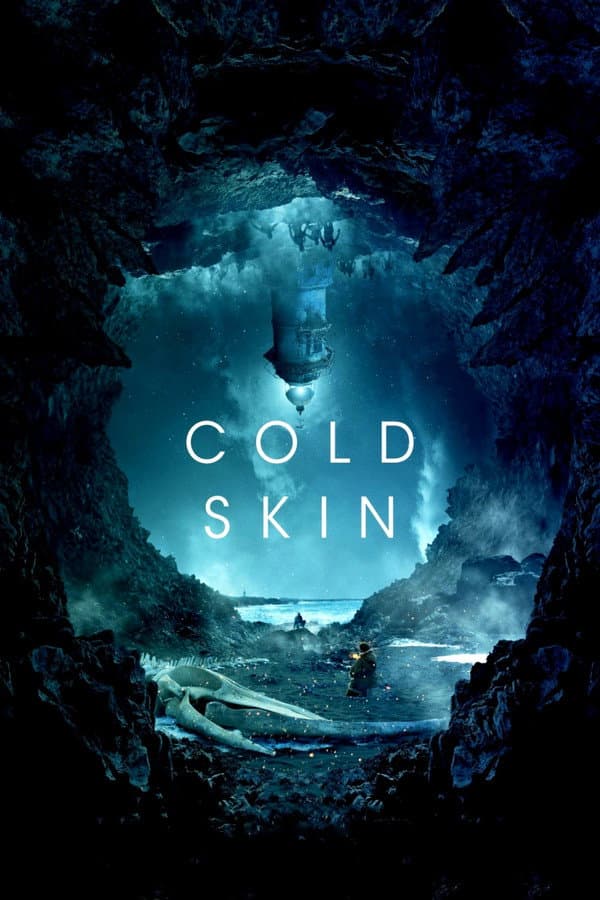
Cold Skin
2017 • Drama, Fantasy, Horror
A young man who arrives at a remote island finds himself trapped in a battle for his life.
Runtime: 1h 46m
Buy related books from Amazon
As an Amazon Associate I earn from qualifying purchases. Read the full disclosure.
Why you should read the novel
Discover the source of the film’s haunting power by reading Cold Skin by Albert Sánchez Piñol. The novel dives deeper into isolation, otherness, and survival, delivering literary horror that rewards careful readers with layered meaning and unforgettable atmosphere.
If you loved the movie’s storm-lashed lighthouse and night attacks, the book amplifies that tension with rich psychological nuance, meticulous world-building, and philosophical reflections. It’s a gripping blend of adventure, existential dread, and moral complexity that a two-hour adaptation can only hint at.
For fans of thoughtful, character-driven horror and Lovecraftian sea myths, the Cold Skin book is the definitive experience. Read it to uncover the full emotional stakes, the unsettling ambiguities, and the provocative questions about empathy, violence, and what it means to be human.
Adaptation differences
Cold Skin the movie concentrates on action-driven siege set pieces and visual menace, while the novel leans into introspection and allegory. On the page, first-person reflections and journal-like entries foreground colonial guilt, fear, and moral compromise—core themes that the film streamlines to maintain pace and suspense.
Characterization shifts meaningfully between book and film. The lighthouse keeper is portrayed with more overt vulnerability on screen, softening some of his harshest behaviors, whereas the novel presents him in starker, more unsettling terms. Likewise, the relationship with the amphibian female is more romanticized in the movie; the book treats it with greater ethical ambiguity and discomfort, intensifying its critique of domination and otherness.
Structurally, the film compresses time and simplifies cycles of attack into a handful of major confrontations, shaping a clearer arc toward a climactic battle. The novel unfolds through a more repetitive, attritional rhythm of nights and strategies, with nuanced attempts at communication and shifting power dynamics. The endings differ in tone as well: the adaptation pursues a more cathartic resolution, while the book maintains a colder, more ambiguous aftertaste.
World-building and creature lore are also treated differently. The movie prioritizes striking design and kinetic choreography, keeping the sea people enigmatic; the book offers more clues about patterns, behaviors, and possible language, inviting interpretation. Readers will notice symbolic details—like names and recurring motifs—that broaden the mythos. For anyone comparing Cold Skin book vs movie, these differences illuminate how adaptation choices reshape theme, character, and meaning.
Cold Skin inspired from
Cold Skin
by Albert Sánchez Piñol