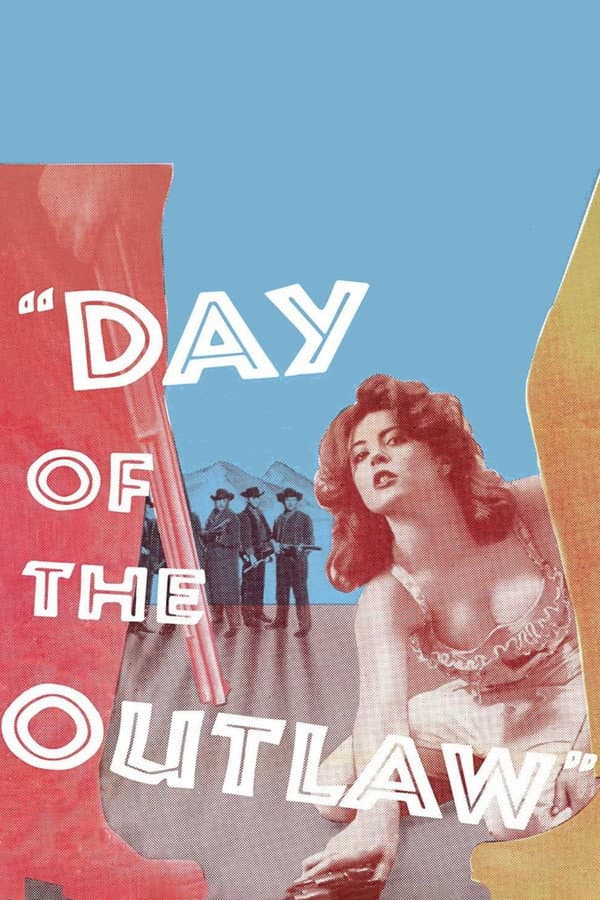
Day of the Outlaw
1959 • Western
Blaise Starrett is a rancher at odds with homesteaders when outlaws hold up the small town. The outlaws are held in check only by their notorious leader, but he is diagnosed with a fatal wound and the town is a powder keg waiting to blow.
Runtime: 1h 32m
Buy related books from Amazon
As an Amazon Associate I earn from qualifying purchases. Read the full disclosure.
Why you should read the novel
Experience Day of the Outlaw as Lee E. Wells originally wrote it. The novel’s taut, atmospheric prose deepens the frontier’s harsh realities, delivering layered motives, richer character psychology, and an icier, more immersive sense of danger.
If the 1959 film gripped you, the book will pull you deeper. The source novel expands backstories, moral dilemmas, and the stakes between ranchers, homesteaders, and outlaws—making every choice feel earned, intimate, and unforgettable.
Choose the page over the screen. Reading the Day of the Outlaw novel gives you unfiltered tension, frontier detail, and the author’s full vision—an essential Western classic for fans who want more than a movie can show.
Adaptation differences
Curious about the differences between the Day of the Outlaw movie and the book? The film streamlines the story into a lean, high-pressure siege and snowbound trek, while the novel unfolds on a broader canvas with added context, buildup, and frontier detail that heighten the moral stakes.
Character focus shifts noticeably. The adaptation centers tightly on Blaise Starrett and a few key figures, whereas Lee E. Wells’ novel gives more space to the town, homesteaders, and outlaws, including interior thoughts and motives that clarify loyalties, grudges, and fears the camera can only suggest.
Tone and content diverge under the Production Code. The novel’s violence, threat, and sexual menace register more starkly on the page, while the film tempers explicitness. Iconic moments remain tense onscreen, but the book’s rawer implications and psychological pressure feel more direct and sustained.
Resolution and aftermath differ in emphasis. The movie closes soon after the climactic blizzard sequence, favoring stark finality. The novel spends more time on consequences, community fallout, and moral reckoning, adding thematic closure and regional detail that broaden the story beyond its icy showdown.
Day of the Outlaw inspired from
Day of the Outlaw
by Lee E. Wells