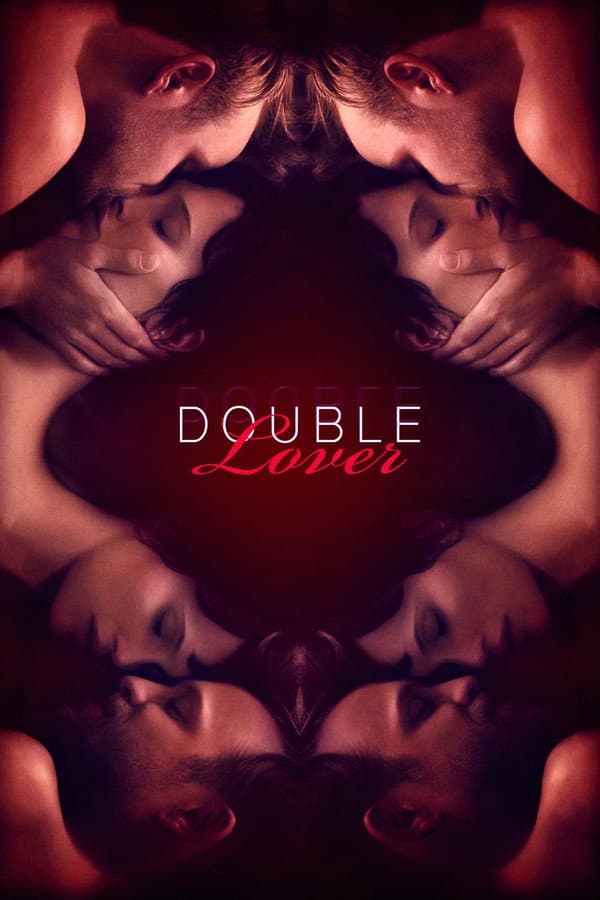
Double Lover
2017 • Drama, Romance, Thriller • NR
Chloé, a fragile young woman, falls in love with her psychoanalyst, Paul. A few months later she moves in with him, but soon discovers that her lover is concealing a part of his identity.
Runtime: 1h 48m
Buy related books from Amazon
As an Amazon Associate I earn from qualifying purchases. Read the full disclosure.
Why you should read the novel
Before you stream Double Lover, experience the source that inspired it: Lives of the Twins by Joyce Carol Oates, writing as Rosamond Smith. This taut psychological suspense novel offers razor-sharp character work and propulsive plotting that reward slow-burn reading far more richly than a two-hour viewing ever could. If you crave layered tension, unreliable desires, and nuanced inner lives, the book delivers immersive thrills on every page.
Readers who love elegant, cerebral mysteries will find the novel’s precise prose, unsettling intimacy, and chilling revelations impossible to put down. Oates builds dread with meticulous craft, letting obsession and identity unfold through subtle clues, psychological shading, and moral ambiguity. Instead of watching a stylized interpretation, savor the original design of the story’s double helix—scene by scene, thought by thought.
Searching for the definitive Double Lover book connection? Choose Lives of the Twins for its richer backstory, deeper motivations, and a more intricate cat-and-mouse structure. It is the ideal pick for fans of literary thrillers who want to compare the novel versus the movie, discuss themes with book clubs, and discover the precise, unsettling blueprint behind the film’s most provocative ideas.
Adaptation differences
Setting and character revisions are among the most striking changes when comparing Double Lover to Lives of the Twins. The novel is an American-set psychological suspense story with names, locales, and cultural textures consistent with that backdrop, while the film relocates the action to contemporary France and reimagines key characters. The movie’s heroine, her profession, and even the twins’ presentation are adjusted to fit a sleek European art-house frame, altering how power, intimacy, and secrecy play out.
Tone and genre emphasis also diverge. Oates’s novel is a lean, propulsive psychological thriller that privileges interiority, moral unease, and carefully escalated tension. The film amplifies eroticism and visual flourish, embracing dreamlike ambiguity, mirrored compositions, and stylized set pieces. Where the book builds dread through implication and insight, the adaptation externalizes that anxiety via sensuality, split perspectives, and bold, sometimes shocking imagery.
A major difference lies in how the double motif is handled. The novel treats doubling as a psychological and ethical riddle embedded in character histories and choices, maintaining a grounded suspense logic. The film pushes the twin dynamic toward heightened contrast—seductive versus severe, nurturing versus predatory—and frequently toys with the possibility that the double might be projection, fantasy, or fractured identity. This sustained ambiguity shifts the audience’s role from solving a crime-adjacent mystery to decoding an unstable, subjective reality.
Finally, the endings and thematic resolutions part ways. Lives of the Twins tends toward a clearer, more classically suspenseful resolution in line with crime-psychological fiction. The movie, by contrast, courts irresolution and body-centric symbolism, introducing striking body-horror elements—such as teratoma imagery—not present in the book. Secondary characters and subplots are streamlined or merged, timelines are compressed, and the adaptation privileges sensation and symbolic closure over the novel’s more determinate psychological reckoning.
Double Lover inspired from
Lives of the Twins
by Joyce Carol Oates (as Rosamond Smith)