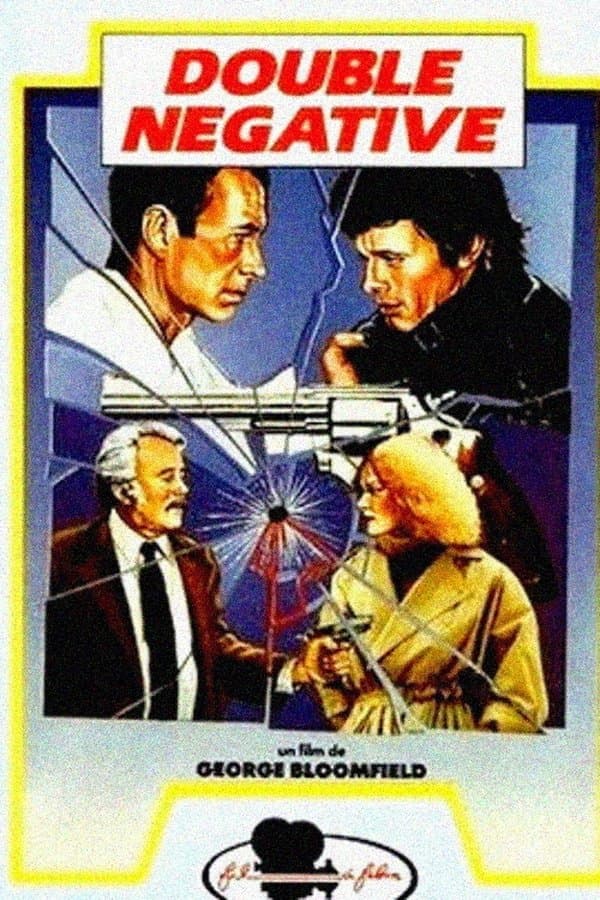
Double Negative
1980 • Thriller
Mentally tortured photojournalist attempts to track down his wife's murderer.
Runtime: 1h 36m
Buy related books from Amazon
As an Amazon Associate I earn from qualifying purchases. Read the full disclosure.
Why you should read the novel
Before pressing play on Double Negative (1980), discover its gripping literary foundation: The Three Roads by Kenneth Millar (Ross Macdonald). This crime classic blends psychological depth, elegant prose, and a masterfully constructed mystery that rewards close reading.
On the page, Millar charts memory, guilt, and identity with a precision few films can match. The novel’s layered clues, morally complex characters, and slow-burn tension make every chapter a revelation—and every twist feel earned.
If you value richer backstories and sharper thematic nuance, read the source novel first. The Three Roads offers the full noir experience in print—immersive, haunting, and unforgettable—before you compare it with the movie’s streamlined take.
Adaptation differences
Curious about the differences between Double Negative (1980) and The Three Roads? Like many adaptations, the film trims, condenses, and simplifies to fit feature-length pacing. Several subplots are streamlined, minor characters are combined or omitted, and the mystery is pushed forward with a tighter, more thriller-oriented rhythm.
Time and place also shift. The novel’s postwar milieu—so integral to its atmosphere and motivations—comes across differently on screen, where contemporary settings and production realities reshape the mood. Period anxieties in the book give way to late-20th-century urban unease and a sleeker visual style.
Structure and perspective change notably. On the page, Millar layers interiority, therapy transcripts, and shifting viewpoints to explore memory and culpability from multiple angles. The film, by necessity, leans on visual shorthand and more linear storytelling, reducing the novel’s psychological digressions and the granular investigative detail readers savor.
Finally, tone and resolution diverge. The book sustains a morally ambiguous, psychologically probing final act, inviting you to sit with uncomfortable implications. The movie tends to foreground external suspense and plot closure, delivering a clearer, faster payoff while leaving some of the novel’s deeper thematic resonances on the cutting-room floor.
Double Negative inspired from
The Three Roads
by Kenneth Millar (Ross Macdonald)