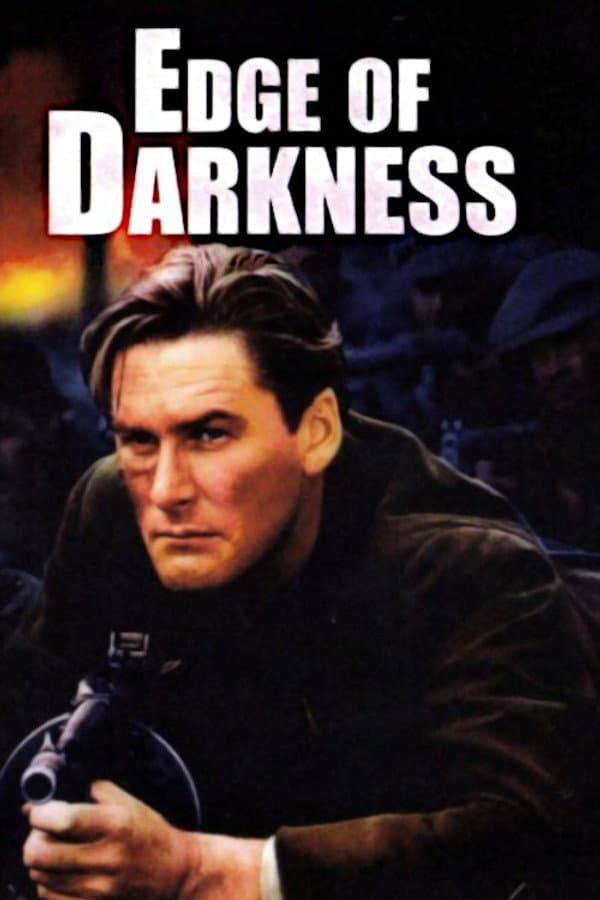
Edge of Darkness
1943 • Drama, War • NR
The film pivots around the local Norwegian doctor and his family. The doctor's wife (Ruth Gordon) wants to hold on to the pretence of gracious living and ignore their German occupiers. The doctor, Martin Stensgard (Walter Huston), would also prefer to stay neutral, but is torn. His brother-in-law, the wealthy owner of the local fish cannery, collaborates with the Nazis. The doctor's daughter, Karen (Ann Sheridan), is involved with the resistance and with its leader Gunnar Brogge (Errol Flynn). The doctor's son has just returned to town, having been sent down from the university, and is soon influenced by his Nazi-sympathizer uncle. Captain Koenig (Helmut Dantine), the young German commandant of the occupying garrison, whose fanatic determination to do everything by the book and spoutings about the invincibility of the Reich hides a growing fear of a local uprising.
Runtime: 1h 59m
Buy related books from Amazon
As an Amazon Associate I earn from qualifying purchases. Read the full disclosure.
Why you should read the novel
Before you watch the 1943 film, experience the source material: Edge of Darkness by William Woods. The novel plunges you into a Norwegian village under Nazi occupation with richer context, deeper motivations, and intimate moral stakes that a movie can only sketch.
Reading the Edge of Darkness book delivers layered perspectives—families, workers, clergy, and partisans—showing how ordinary lives bend under pressure. Woods’s measured suspense and authentic detail make every clandestine meeting, ration line, and whispered decision pulse with danger and meaning.
If you enjoy World War II resistance fiction with psychological depth, choose the original novel over the screen version. Search for Edge of Darkness novel by William Woods to find print, ebook, or audiobook editions and discover the full story behind the film.
Adaptation differences
Key differences between the Edge of Darkness movie and book begin with scope and structure. The film compresses events and rearranges chronology for momentum and suspense, while the novel tracks the village over a broader span with more space for reflection and interior conflict.
Character focus shifts in adaptation. The movie spotlights a few principal figures and streamlines or merges supporting roles to fit a two-hour runtime. The book develops a wider ensemble—families, collaborators, and underground organizers—offering fuller backstories and evolving loyalties that heighten the narrative’s moral complexity.
Tone and emphasis also diverge. As a 1943 wartime production, the film leans into clear calls for unity, brisk pacing, and uplifting resolve. The novel allows more ambiguity and bleak realism, detailing compromises, fear, and the psychological toll of occupation—elements the screen version softens or implies due to era constraints.
Action and climax are adapted for cinematic impact. The movie amplifies set pieces and rallying heroics, delivering a rousing finale. The book spends more time on planning, logistics, and aftermath, emphasizing consequences, community costs, and the uneasy resilience that follows resistance operations.
Edge of Darkness inspired from
Edge of Darkness
by William Woods