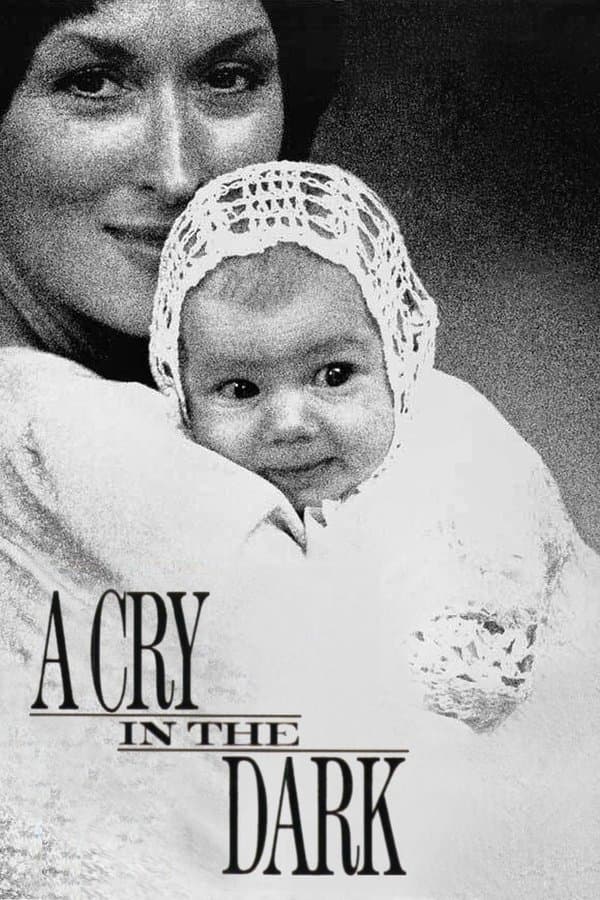
Evil Angels
1988 • Drama • PG-13
Based on the true story of Lindy Chamberlain who, during a family camping trip to Ayers Rock in central Australia, claimed she witnessed a dingo take her baby daughter, Azaria, from their tent. Azaria's body was never found and, after investigations and two public inquests, she is charged with murder.
Runtime: 2h
Buy related books from Amazon
As an Amazon Associate I earn from qualifying purchases. Read the full disclosure.
Why you should read the novels
Before you watch Evil Angels (1988), read John Bryson’s masterful nonfiction account—published as Evil Angels and also as A Cry in the Dark. This definitive true-crime book unpacks the Lindy Chamberlain case with depth the movie can’t match.
Bryson’s reporting illuminates the courtroom battles, forensic controversies, and media frenzy surrounding Azaria Chamberlain’s disappearance. You’ll gain a clear, carefully sourced understanding of the evidence, the legal process, and the social biases that shaped one of Australia’s most argued-over trials.
If you value meticulous investigation, character nuance, and complete context, the book is essential. Discover why readers seeking the truth behind the headlines choose John Bryson’s Evil Angels (A Cry in the Dark) over a two-hour screen retelling.
Adaptation differences
Scope and timeline: The Evil Angels movie condenses years of inquests, trials, and appeal developments into a focused feature-length arc. Bryson’s book spans a broader chronology, documenting procedural turns and evolving evidence in far greater detail, with later editions updating key milestones.
Perspective and characters: On screen, the story centers tightly on Lindy and Michael Chamberlain, using composite or compressed roles to streamline events. The book widens the lens to include investigators, lawyers, expert witnesses, journalists, and community voices, giving a multi-perspective analysis the film can only suggest.
Evidence and legal complexity: The film samples major forensic disputes—such as dingo behavior and contested blood evidence—but simplifies technical testimony for clarity and pace. Bryson’s pages delve into methods, laboratory findings, cross-examinations, and legal strategies, showing precisely how arguments rose and fell in court.
Tone and resolution: The movie emphasizes emotional impact, public hysteria, and the couple’s ordeal, culminating in a concise resolution (including the matinee jacket discovery and release, often summarized with captions). The book’s investigative tone interrogates media bias, institutional fallibility, and shifting public opinion, tracing how narrative, science, and law collided beyond what a dramatization can fully encompass.
Evil Angels inspired from
A Cry in the Dark
by John Bryson
Evil Angels
by John Bryson