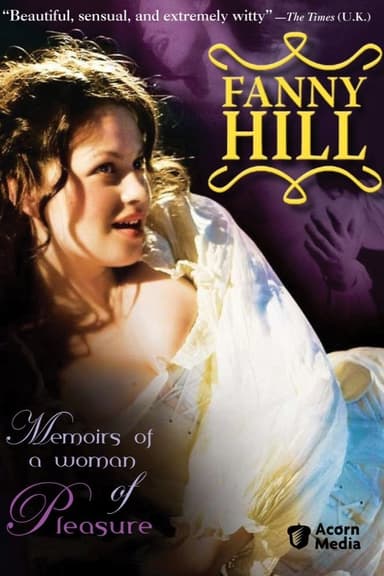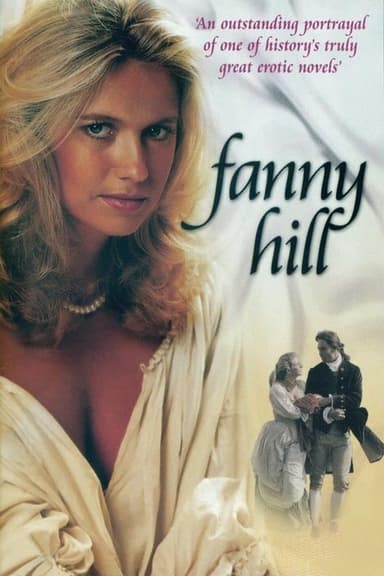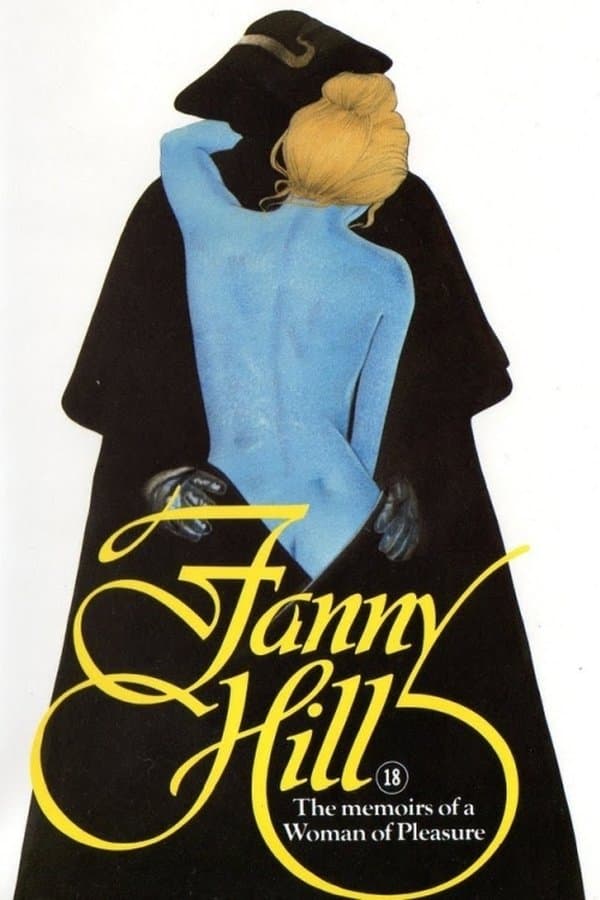
Fanny Hill
1983 • Comedy, Drama, Romance • R
Happily engaged to her handsome fiance, Charles, Fanny is soon hit with one misfortune after another until she is forced to become a prostitute to survive. This is the story, with many erotic asides, of her struggle to regain her pride in herself and find happiness in life once again.
Runtime: 1h 38m
Buy related books from Amazon
As an Amazon Associate I earn from qualifying purchases. Read the full disclosure.
Why you should read the novel
Skip the surface gloss and experience John Cleland’s Fanny Hill where it began: Memoirs of a Woman of Pleasure, the groundbreaking 18th‑century novel that shaped erotic literature. In Cleland’s original, Fanny narrates her journey with wit, tenderness, and startling honesty, painting a vivid portrait of desire, survival, and London’s hidden underworld.
Reading the book gives you the uncut voice of Fanny herself—playful, reflective, and fiercely observant—something no screen version can fully capture. The epistolary style, lush language, and meticulously crafted episodes offer context, character depth, and social nuance that film inevitably compresses.
Discover why this public‑domain classic remains essential: annotated and scholarly editions illuminate historical context, censorship battles, and the novel’s literary legacy. If you want the full story, read Fanny Hill by John Cleland in its original, unabridged English and meet the heroine the movies only hint at.
Adaptation differences
Narrative form and perspective: Cleland’s novel is epistolary—Fanny writes directly to a confidante, looking back on her life with irony, compassion, and reflection. The 1983 film discards the letter format for a straightforward, present‑tense romp, losing the intimate, confessional voice that makes the book so distinctive and psychologically rich.
Tone and explicitness: The novel is famously frank, cataloging erotic experiences with precise, often poetic detail, and balancing sensuality with insight. The 1983 adaptation shifts to bawdy, playful comedy and soft‑focus titillation, trimming explicit language and complex sexual episodes to meet mainstream ratings and favoring innuendo over the book’s unflinching candor.
Plot scope and characters: On the page, Fanny moves through multiple houses and patrons—Mrs. Brown, Mrs. Cole, and lovers identified by initials—each shaping her growth and fortunes. The film streamlines or merges these figures, compresses timelines, and foregrounds a continuous romantic throughline with Charles, simplifying the episodic rise‑and‑fall rhythms that define the novel’s structure.
Themes and resolution: Cleland threads social and economic critique through Fanny’s ascent, exploring agency, class mobility, and the commerce of desire. The movie favors picturesque period antics and cheerful momentum, smoothing darker edges and hustling toward a neat, romantic resolution. The book lingers on reconciliation and prosperity as the earned culmination of a long, reflective journey; the film reaches similar beats with less complexity and fewer consequences.
Fanny Hill inspired from
Memoirs of a Woman of Pleasure (commonly known as Fanny Hill)
by John Cleland