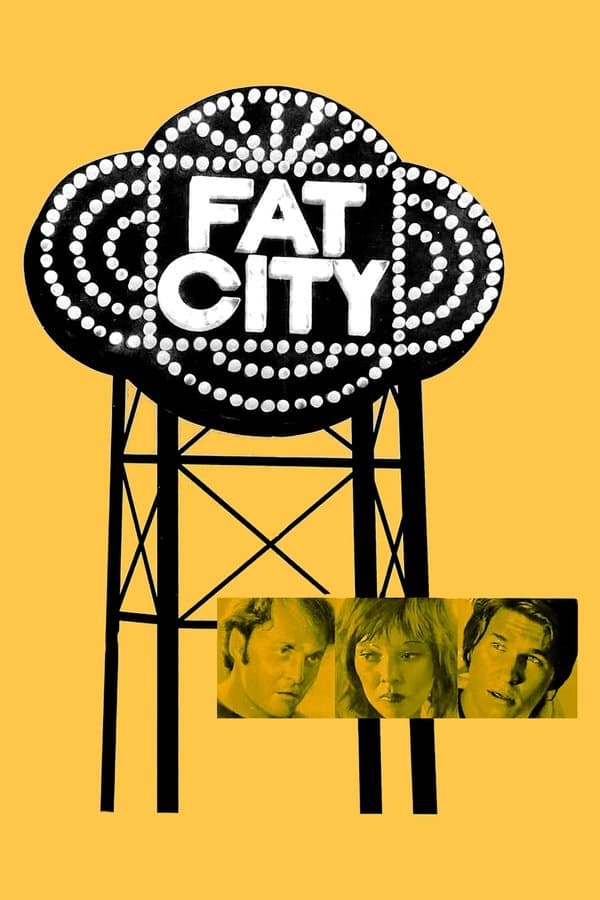
Fat City
1972 • Drama • PG
The story of two men, a veteran boxer who is down and out, and a young man who is just starting his life and boxing career. Their fighting careers cross paths as their lives and fortunes head in opposite directions. Director John Huston tells their stories with a level, unsentimental honesty and makes it into one of his best films.
Runtime: 1h 37m
Buy related books from Amazon
As an Amazon Associate I earn from qualifying purchases. Read the full disclosure.
Why you should read the novel
Before you watch John Huston’s film, experience Fat City in its original form: Leonard Gardner’s stark, unforgettable novel. The source book delivers a raw, intimate portrait of down-and-out fighters in Stockton, California—detail by hard-earned detail—that no screen can fully capture.
Gardner’s lean, unsentimental prose pulls you inside the heads of Billy Tully and Ernie Munger, revealing the quiet hopes, compromises, and losses that define their lives. The novel’s vivid scenes in gyms, bars, and fields layer social texture and psychological nuance, giving readers a richer understanding than any two-hour movie can provide.
If you crave American realist fiction with emotional honesty, pick up the Fat City novel. Whether you read it before or after the movie, Gardner’s masterful storytelling will deepen the film and stand on its own as a tough, compassionate classic—available in paperback and ebook for an immersive, page-turning experience.
Adaptation differences
The Fat City movie is remarkably faithful—no surprise, since Leonard Gardner adapted his own novel—but the film condenses time and trims digressions to fit a tight running length. The book lingers on day-to-day drift, work, and waiting, cultivating a cumulative power that the film necessarily compresses into a more streamlined narrative.
Character interiority marks a key difference. On the page, Billy Tully’s regrets and self-reckonings and Ernie Munger’s halting ambitions are rendered with unvarnished psychological clarity. The film relies on behavior, silence, and performance to imply what the novel states more directly, so figures like Oma and Faye feel even more volatile and fully reasoned in the book, with deeper backstory and motivation.
Setting and socioeconomic context are broader in the novel. Gardner devotes more space to the grind of seasonal labor, the shabby rooming houses, and the small-club boxing circuit, building a textured map of Stockton’s margins. The movie’s on-location realism powerfully evokes place, but it pares back these side routes and secondary characters to keep focus on the central rise-and-fall arcs.
Tone and emphasis diverge subtly. The film finds a melancholy lyricism in its visuals and music, shaping moments into quiet grace notes. The novel’s tone is even starker—dry, unflinching, and cumulative—so the shared coffee-shop ending lands with a different weight: the movie suggests a tender pause; the book leaves a harder, more open-ended ache.
Fat City inspired from
Fat City
by Leonard Gardner