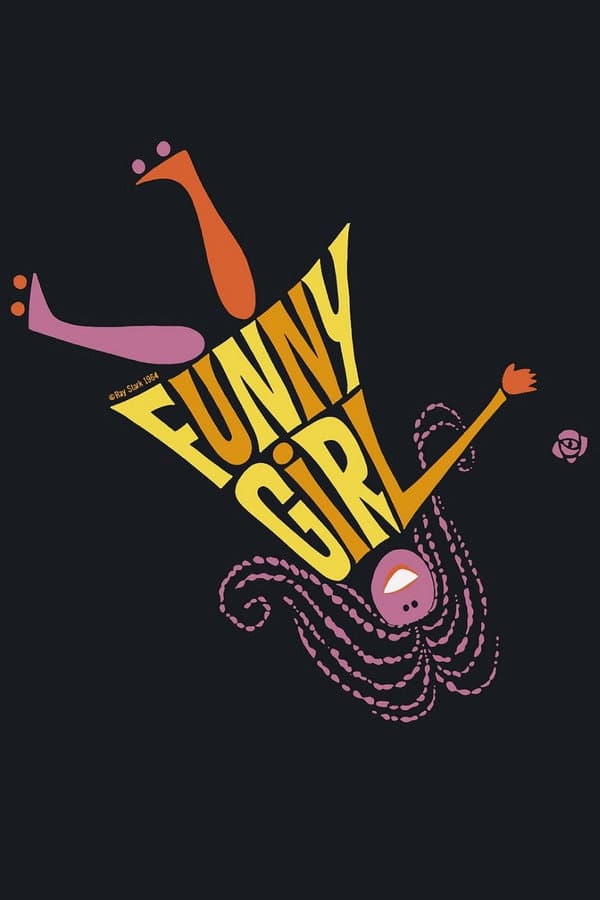
Funny Girl
1968 • Comedy, Drama, Romance • G
The life of famed 1930s comedienne Fanny Brice, from her early days in the Jewish slums of New York, to the height of her career with the Ziegfeld Follies, as well as her marriage to the rakish gambler Nick Arnstein.
Runtime: 2h 35m
Buy related books from Amazon
As an Amazon Associate I earn from qualifying purchases. Read the full disclosure.
Why you should read the novels
Before you press play, read the source. Isobel Lennart’s Funny Girl libretto delivers the original dialogue, scene flow, and stagecraft that powered Broadway—an intimate, witty blueprint the film can only echo.
To meet the real Fanny Brice, open Herbert G. Goldman’s authoritative biography. It charts her vaudeville rise, Ziegfeld Follies superstardom, and complex partnership with Nick Arnstein with dates, context, and depth movies compress.
Reading these books lets you compare stage intent with screen spectacle and fact with fiction—exploring the songs’ origins, era-specific comedy, and Jewish-American showbiz history. Discover the full story the camera can’t fit.
Adaptation differences
Narrative structure shifts notably. The film frames Fanny’s life as a reflective flashback from the New Amsterdam Theatre, while the stage book follows a more straightforward progression from scrappy beginnings to stardom.
Musically, the movie reshuffles and revises. It adds period standards closely tied to Brice—most famously My Man and Second Hand Rose—while cutting or shortening some Styne–Merrill stage numbers and expanding others with cinematic montage, like the sweeping Don’t Rain on My Parade sequence.
Character emphasis changes on screen. The film leans into Barbra Streisand’s star persona, amplifying glamour and romance, softening elements of Nick Arnstein’s legal troubles, and streamlining supporting players; the libretto gives a tighter ensemble balance and punchier backstage comedy.
Compared with Goldman’s biography, the movie compresses timelines, simplifies legal and financial fallout, and sidelines Brice’s broader career (including her later Baby Snooks radio fame). The result is a more romantic, neatly arced portrait; the books restore the rough edges, cultural context, and real-world consequences.
Funny Girl inspired from
Funny Girl
by Isobel Lennart
Fanny Brice: The Original Funny Girl
by Herbert G. Goldman