I Was a Rat
2001 • Drama, Family, Fantasy
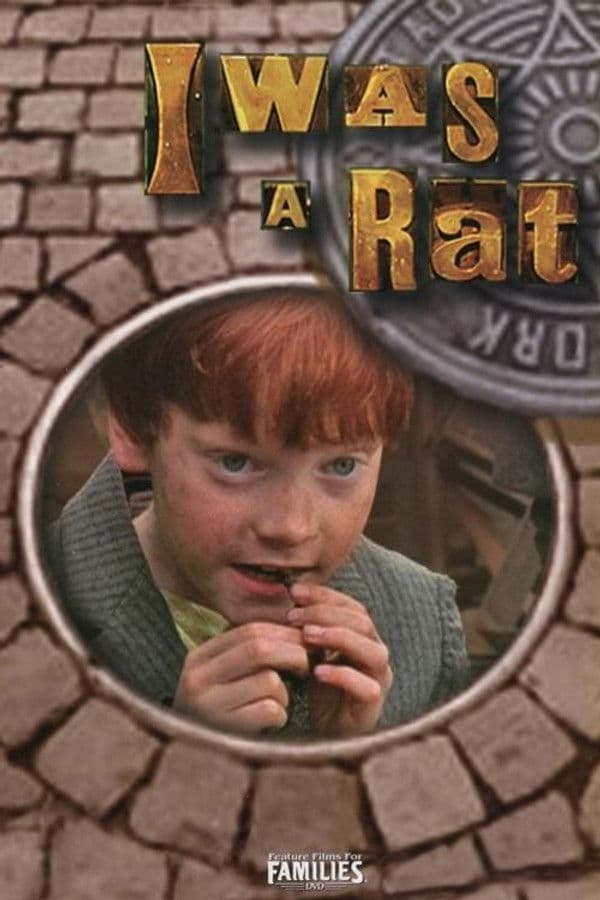
A little boy found wandering the streets is taken in by Bob and Joan, a kindly couple. The boy is cold, wet and desperate for shelter, but Bob and Joan are perplexed by his claims that he was once a rat. Meanwhile, rumours are rife at the newspaper about the prince's new love: a girl who captivated everyone at the palace ball.
Runtime: 1h 31m
Buy related books from Amazon
As an Amazon Associate I earn from qualifying purchases. Read the full disclosure.
Why you should read the novel
Before you watch any screen version of I Was a Rat, discover the original magic in Philip Pullman’s novel I Was a Rat! or The Scarlet Slippers. Pullman—acclaimed author of His Dark Materials—crafts a tender, witty, and thought‑provoking tale that blends fairy‑tale wonder with a sharp eye for human kindness and cruelty. The book’s voice, humor, and warmth make Roger’s journey unforgettable in a way only the page can capture.
Reading the novel gives you richer character depth—especially the loving, everyday heroism of Bob and Joan—and a broader social canvas. Pullman’s short, brisk chapters, playful language, and inventive use of in‑world newspaper snippets build a living, breathing city that rewards close reading. You’ll feel the satire, empathy, and suspense sharpen with every chapter, inviting discussion and re‑reading.
If you’re choosing between the I Was a Rat 2001 movie and the book, pick the source material for its layered themes, nuanced emotions, and timeless storytelling. It’s perfect for family read‑alouds, classrooms, and anyone who loves character‑driven fantasy with heart. Start with the novel to experience Roger’s story exactly as Pullman imagined it.
Adaptation differences
Book vs. movie structure and tone: the novel unfolds in brisk, episodic chapters that interleave Roger’s adventures with satirical newspaper excerpts and shifting viewpoints. Most screen adaptations streamline this into a more linear, chase‑driven plot for pacing. The result tends to tilt toward cozy adventure and visual comedy, while the book’s tone sustains a wryer, more pointed blend of whimsy and social critique.
Character focus and interiority: on the page, Pullman gives Bob and Joan richer inner lives—their doubts, hopes, and quiet courage—while letting readers sit inside Roger’s bewildered, literal way of thinking. Screen versions necessarily externalize this through action and dialogue, trimming side characters and combining roles. Royal and court figures often receive expanded, clearer arcs on screen to anchor the fairy‑tale throughline, while certain antagonists and bureaucrats are simplified.
Themes and social satire: the novel’s critique of tabloid sensationalism and public scapegoating is sharper and more sustained, thanks to recurring mock headlines and editorials that shape the city’s mood. Adaptations usually soften this edge for family viewing, emphasizing rescue, belonging, and spectacle. The book also preserves more ambiguity about magic, identity, and what it means to be “human,” whereas screen versions tend to state Roger’s origins more directly for clarity.
Events and resolution: key set pieces are often rearranged or condensed on screen, with added near‑escapes and palace confrontations to heighten momentum. The novel’s resolution lingers on found family, mercy, and institutional hypocrisy, inviting reflection after the final chapter. Screen endings typically favor a neater, celebratory close and visual catharsis. If you want every beat of Pullman’s social commentary, character nuance, and narrative layering, the book delivers more breadth and depth than the adaptation.
I Was a Rat inspired from
I Was a Rat! or The Scarlet Slippers
by Philip Pullman