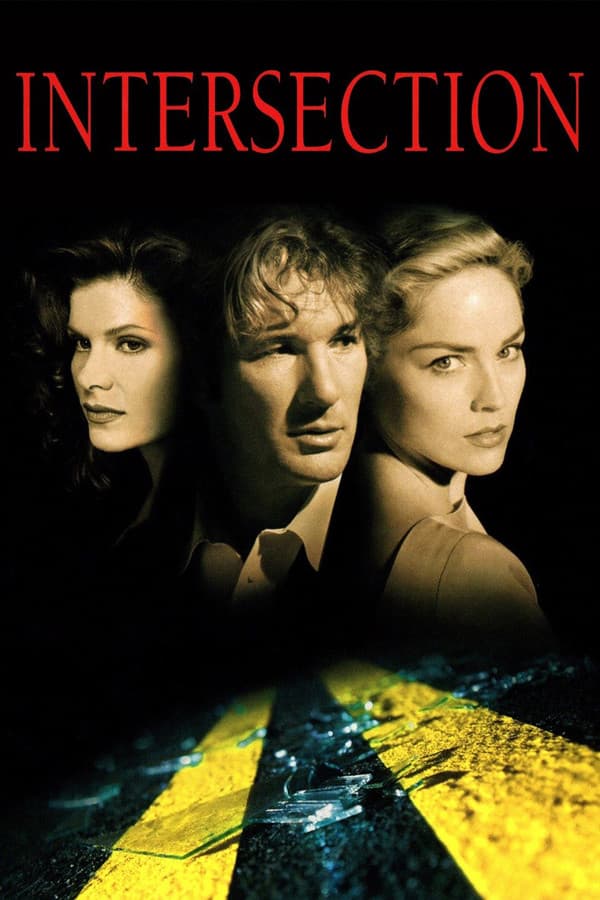
Intersection
1994 • Drama, Romance • R
During a car accident, Vincent Eastman watches his whole life flash before his eyes, and he doesn't like what he sees. While maintaining the semblance of a marriage with his wife, Sally, Vincent has been carrying on with a mistress, Olivia. She's everything Sally isn't -- warm, passionate, carefree. So why can't he choose between the two, especially when his indecision is taking its toll on his daughter?
Runtime: 1h 38m
Buy related books from Amazon
As an Amazon Associate I earn from qualifying purchases. Read the full disclosure.
Why you should read the novel
If Intersection (1994) intrigued you, discover the fuller emotional landscape in Paul Guimard’s novel The Things of Life. The source of the film’s story, this elegant, concise book delivers the intimate textures of memory, chance, and choice with a clarity only literature can sustain.
Reading The Things of Life places you inside the protagonist’s consciousness at the very moment life hangs in the balance, weaving time, sensation, and past love into an unforgettable tapestry. Guimard’s prose turns fleeting thoughts into lasting meaning—something a movie, however polished, can only suggest.
For readers who value depth, nuance, and the quiet power of carefully chosen words, The Things of Life offers a richer, more reflective experience than any screen adaptation. Start with the book and let Guimard’s voice guide how you see the film afterward.
Adaptation differences
The most striking difference between Intersection (1994) and Paul Guimard’s The Things of Life is point of view. The novel immerses you in an intimate interior monologue, lingering within the suspended time surrounding a crash. The film externalizes that inner life into dialogue, scenic flashbacks, and visual motifs, inevitably trimming the nuances of private thought.
Tone and texture also diverge. Guimard’s book is lean, lyrical, and philosophical, emphasizing ambiguity, chance, and the small pivots that shape fate. The movie reframes those concerns in a glossy 1990s American melodrama, leaning on upscale settings, career pressures, and a love-triangle dynamic that plays more as romantic suspense than existential meditation.
Structure shifts accordingly. On the page, the narrative flows associatively—memories surface and recede with organic rhythm, blurring present and past. On screen, the story follows a more conventional arc with clearer beats, using flashbacks as signposts. This change streamlines the plot but reduces the novel’s hypnotic sense of time dilating around a single, defining moment.
Characterization reflects cultural and era updates. Guimard’s figures carry mid-century French social mores and quiet resignation; the film’s characters inhabit a contemporary North American world of architectural prestige, mobility, and self-definition. The novel preserves more ambiguity about intent and resolution, while the adaptation tends to clarify motivations and outcomes, offering firmer answers where the book leaves space for the reader’s interpretation.
Intersection inspired from
The Things of Life
by Paul Guimard