
Je m'appelle Agneta
2026 • Comedy, Drama, Romance • R
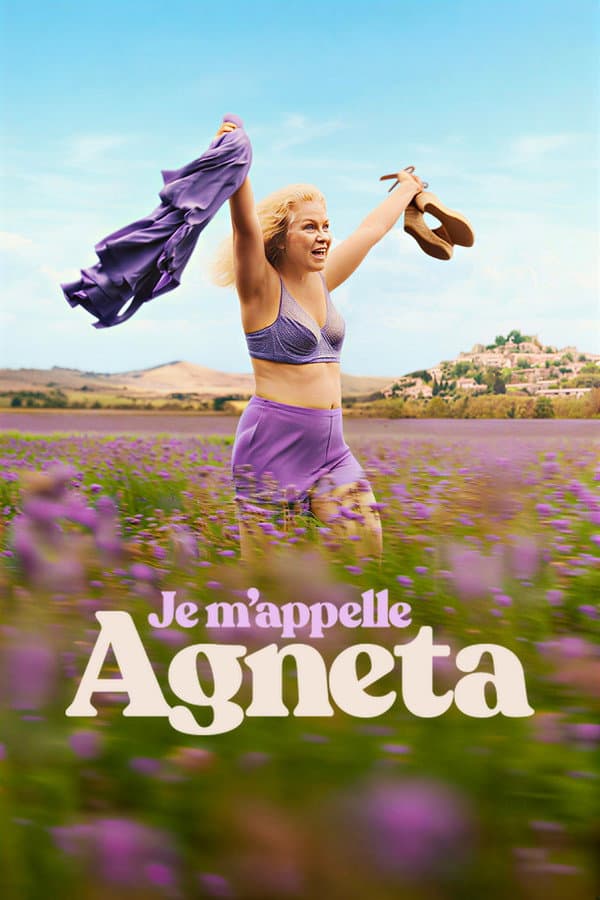
Craving a fresh start, recently unemployed Agneta accepts an au pair gig in Provence that turns into an indulgent escape — and an unexpected awakening.
Runtime: 1h 54m
Buy related books from Amazon
As an Amazon Associate I earn from qualifying purchases. Read the full disclosure.
Why you should read the novel
Choose the book Je m'appelle Agneta by Emma Hamberg to experience Agneta’s transformation with the intimacy only a novel can deliver. Page by page, you’ll live inside her doubts, hopes, and hard-won courage—textures of growth that no two-hour film can fully capture.
Emma Hamberg’s storytelling is warm, funny, and deeply humane. The English edition immerses you in Provençal light, flavors, and friendships at a pace that lets each scene breathe, highlighting subtle character moments and side stories that make Agneta’s world unforgettable.
If you want a richer, more emotionally layered journey than a screen adaptation can provide, read the novel first. It’s a book-club-ready, feel-good read that rewards reflection, celebrates reinvention, and leaves you savoring every sunlit page.
Adaptation differences
As of now, detailed scene-by-scene information about the 2026 movie adaptation is limited. Generally, viewers can expect differences between the Je m'appelle Agneta film and the book, because adaptations streamline plots, compress timelines, and re-balance themes for pacing and runtime.
A likely change is structural: novels linger on inner life, while films externalize it. The Je m'appelle Agneta book explores Agneta’s interior voice with nuance; a movie may use dialogue, montage, or voice-over to suggest this, inevitably trimming introspection and some secondary arcs.
Characters and subplots often combine in adaptation. Expect the Je m'appelle Agneta film to merge or minimize certain side characters, simplify backstories, and tighten settings to keep momentum. This can sharpen the central journey while softening smaller, book-only detours readers love.
Tone and emphasis may shift, too. The novel’s cozy humor, sensory detail, and gradual reinvention could be refocused toward visual spectacle and a more definitive ending. In short, the book vs movie differences will likely center on pacing, interiority, composite characters, and a streamlined resolution tailored for cinema.
Je m'appelle Agneta inspired from
Je m'appelle Agneta
by Emma Hamberg