Last Summer
1969 • Drama • R
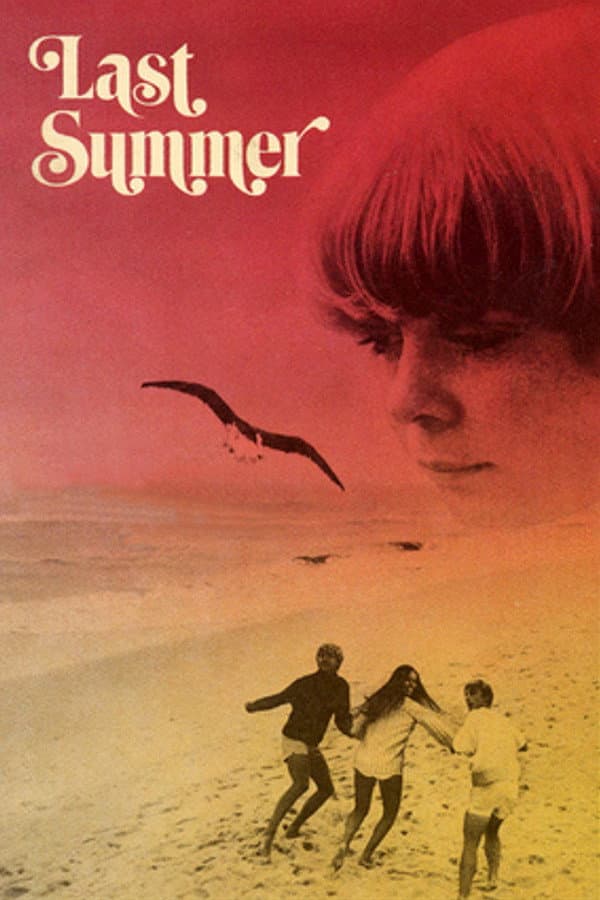
During summer vacation on Fire Island, three young people become very close. When an uncool girl tries to infiltrate the trio's newly found relationship, they construct an elaborate plot that has violent results.
Runtime: 1h 35m
Buy related books from Amazon
As an Amazon Associate I earn from qualifying purchases. Read the full disclosure.
Why you should read the novel
Before pressing play on the 1969 film, experience the original source: Last Summer by Evan Hunter. The novel’s razor-sharp prose, vivid Fire Island atmosphere, and penetrating psychological insight deliver a deeper, more immersive story than any screen can capture.
Reading the book gives you privileged access to the characters’ inner lives, motives, and shifting power dynamics. Hunter’s elegant, unsparing writing reveals the subtle erosions of innocence and the currents of desire, cruelty, and peer pressure that the movie can only suggest from the surface.
If you value literary depth, nuanced character development, and unforgettable summer noir vibes, choose the novel first. Discover why readers still seek out Evan Hunter’s Last Summer for its haunting themes, richly textured setting, and indelible coming-of-age portrait.
Adaptation differences
Last Summer book vs movie: the Evan Hunter novel offers a broader canvas than the 1969 adaptation. The film focuses on key set pieces and sun-drenched episodes, while the book expands the summer’s arc, adding texture, context, and a gradual escalation that heightens dread and ambiguity.
Characterization differs significantly between the book and the film. On the page, Sandy, Dan, Peter, and Rhoda are explored through interiority, memory, and nuance, revealing insecurities, moral evasions, and private calculations. The movie, bound to external behavior, conveys these shifts through performance and gesture, inevitably simplifying some motives and relationships.
Tone and explicitness also diverge. The novel’s language and psychology are more direct and unsettling, while the 1969 film—shaped by its era’s constraints—leans on suggestion, silence, and implication. Scenes like the injured seagull carry harsher symbolic weight in the book, whereas the film emphasizes mood, glances, and atmosphere over explicit statement.
Structure and ending rhythm vary as well. The film’s climax lands with stark, abrupt force, whereas the novel lingers on aftermath, guilt, and the emotional wreckage that follows. Readers encounter extended fallout and moral reverberations that the screen version compresses, making the book’s resolution feel more psychologically expansive and ethically confronting.
Last Summer inspired from
Last Summer
by Evan Hunter