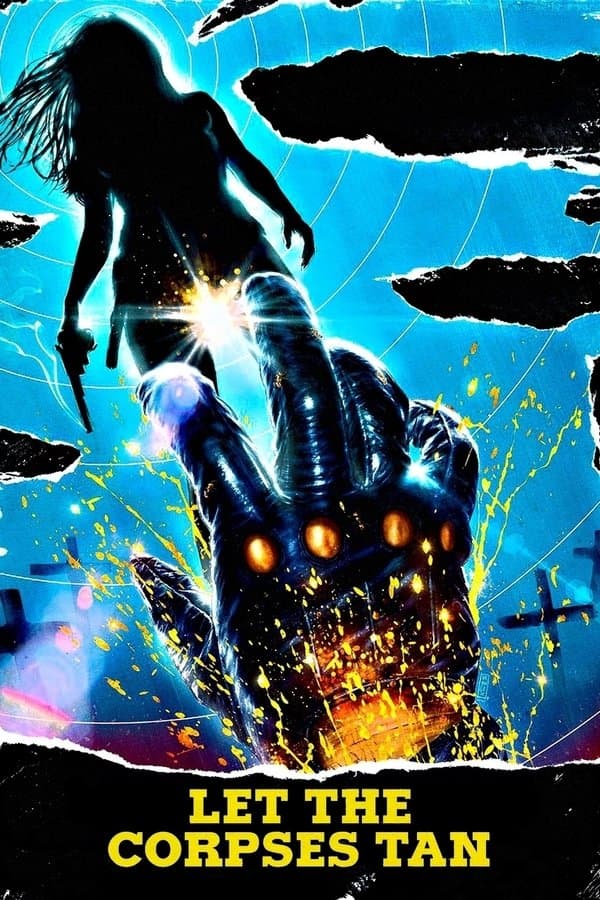
Let the Corpses Tan
2017 • Action, Crime, Thriller, Western
With a heavy haul of 250 kilograms of gold bullion, the grizzled criminal mastermind, Rhino, and his ruthless gang of cutthroats, head to a ramshackle retreat somewhere in the Mediterranean to lay low on a scorching day of July. However, the unexpected and rather unwelcome arrival of the bohemian writer, Bernier, his muse, Luce, along with a pair of no-joke gendarmes further complicates things, as the frail allegiances will soon be put to the test.
Runtime: 1h 32m
Buy related books from Amazon
As an Amazon Associate I earn from qualifying purchases. Read the full disclosure.
Why you should read the novel
Before you stream the movie, discover the source: Let the Corpses Tan by Jean-Patrick Manchette and Jean-Pierre Bastid. This lean, razor-edged crime novel delivers a sharper plot, sardonic wit, and the taut suspense that inspired the film’s sun-drenched mayhem.
Reading the book offers the clean lines and precise momentum of classic French noir, with meticulous action and a bracing social bite. If you crave neo-noir fiction, heist thrillers, and Mediterranean-set crime stories, the English edition of Let the Corpses Tan is a must-read road map to the movie’s DNA.
Choose the book to experience the original voices, the hardboiled texture, and the strategic cat-and-mouse that cinema can only hint at. Search for Let the Corpses Tan novel, buy the English edition, or borrow it from your library to get the unfiltered story behind the adaptation.
Adaptation differences
Narrative structure is the first major difference between the Let the Corpses Tan book and movie. The novel moves with a clear, linear siege dynamic and clockwork logistics; the film splinters time with chapter cards, rapid intercutting, and impressionistic montage. Readers get a steadier tactical build in the book, while the adaptation chases sensation and rhythm.
Characterization also shifts notably from page to screen. The novel gives the thieves, the bohemian host, and the interlopers sharper motives and roles within the siege, sketching a harsher moral and political landscape. The movie pares dialogue and psychology, leaning on faces, bodies, and iconography; the book supplies the crisp motivations and cool-headed procedure behind the crossfire.
Tone and imagery diverge even more. On the page, Manchette and Bastid’s hardboiled realism and caustic humor rule—precise weaponry, distances, and consequences. On screen, the filmmakers amplify giallo-inflected surrealism: fetishized gold, sweat, sun, and gunmetal; thunderous sound design; and sensual, dreamlike tableaux. The novel’s satire lands with words; the movie’s impact arrives through color, cuts, and sound.
The adaptation also reframes confrontations and outcomes to favor spectacle and visual punctuation. Where the book underlines futility, chance, and critique through its final movements, the film emphasizes operatic set pieces and tactile sensation. If you’re comparing movie vs book differences—plot clarity, character depth, tone, and ending emphasis—the novel offers the definitive compass for what the adaptation condenses, abstracts, or transforms.
Let the Corpses Tan inspired from
Let the Corpses Tan
by Jean-Patrick Manchette, Jean-Pierre Bastid