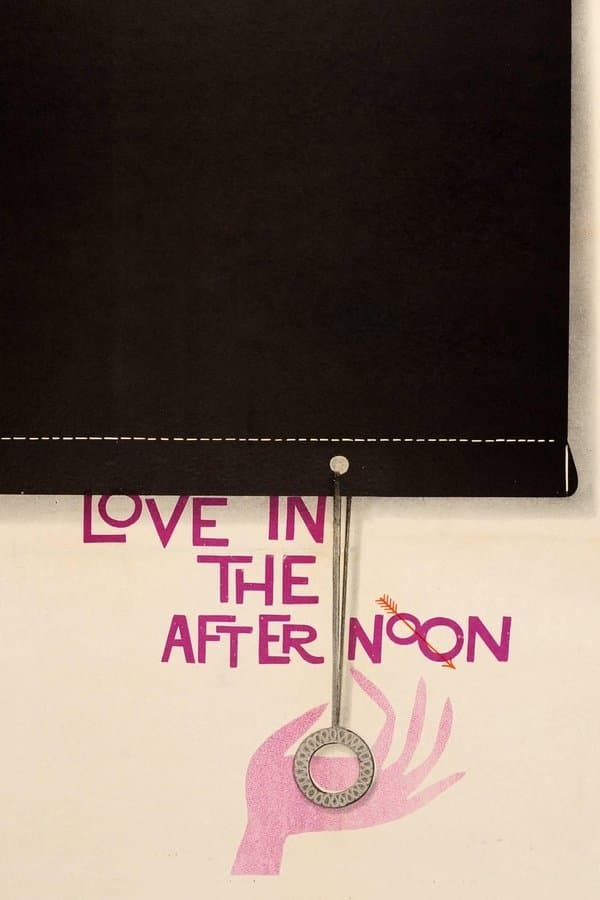
Love in the Afternoon
1957 • Comedy, Romance • NR
A middle-aged playboy becomes fascinated by the daughter of a private detective who has been hired to entrap him with a client's wife.
Runtime: 2h 10m
Buy related books from Amazon
As an Amazon Associate I earn from qualifying purchases. Read the full disclosure.
Why you should read the novel
Before watching Love in the Afternoon (1957), discover its literary source: Claude Anet’s Ariane, Young Russian Girl. Reading the original novel reveals deeper motives, sharper psychology, and richer cultural texture behind this classic romance.
If you love Audrey Hepburn and Billy Wilder, the source book offers a nuanced, intimate portrait of Ariane that the movie only hints at. The novel’s elegant prose and European atmosphere deliver a sophisticated exploration of desire, innocence, and experience.
Choose the book over the screen: read Ariane to understand the themes, conflicts, and emotional stakes that inspired the film. It’s the definitive way to appreciate the story’s origins, compare book vs. movie, and savor Claude Anet’s timeless storytelling.
Adaptation differences
One major difference between the book and the movie is tone. Claude Anet’s novel is a more psychological, bittersweet study of attraction and self-protection, while Billy Wilder shapes the material into a sparkling romantic comedy with buoyant banter and playful set pieces.
Character backgrounds and framing shift notably. In the novel, Ariane is explicitly Russian; the film reimagines her as a French student and introduces a witty private-detective father who narrates and nudges the plot—an addition that supplies humor and a new point of view absent from the book.
The male lead also changes. Anet’s seducer is a cosmopolitan European Don Juan figure; Wilder recasts him as American tycoon Frank Flannagan, surrounding him with comic hotel musicians and farcical jealous husbands. The setting is updated to contemporary 1950s Paris, streamlining locales that in the novel feel more Continental and period-specific.
Ending and emphasis diverge. The Production Code era encourages Wilder toward a hopeful, romantic finale (the famous train departure), whereas the novel leans more ambiguous and morally shaded. The book treats Ariane’s “ledger of lovers” as a psychologically charged defense; the film keeps the motif but plays it more for wit and jealousy, softening the story’s darker undercurrents.
Love in the Afternoon inspired from
Ariane, Young Russian Girl
by Claude Anet