
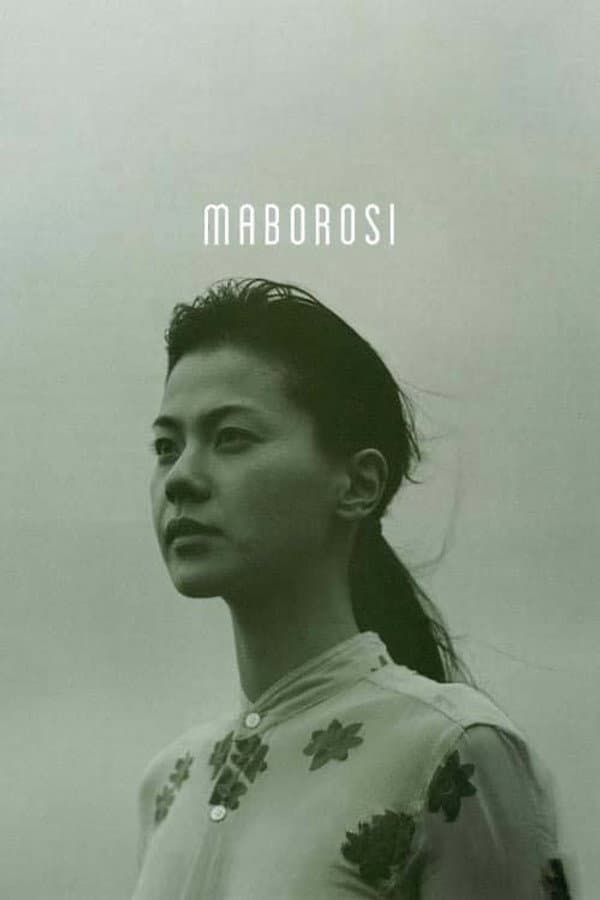
Maborosi
1995 • Drama
A tragedy strikes a young woman's life without warning or reason. She continues living while searching for meaning in a lonely world.
Runtime: 1h 50m
Buy related books from Amazon
As an Amazon Associate I earn from qualifying purchases. Read the full disclosure.
Why you should read the novel
Before pressing play on the movie Maborosi, experience the stillness and depth at their source: the novel Maborosi (Phantom Light) by Teru Miyamoto. The book’s quiet power unfolds on the page with intimate interiority you can’t get on screen.
Reading Miyamoto’s prose invites you into the character’s private thoughts, memories, and unspoken grief—layers the film suggests visually but can’t fully articulate. If you love contemplative Japanese literature, this is a must-read journey into loss, healing, and everyday beauty.
Choose the book first to savor the language, the imagery of light and shadow, and the subtle textures of life that reward slow reading. Discover why fans of literary fiction search for the novel that inspired Hirokazu Kore-eda’s acclaimed debut.
Adaptation differences
Book vs. movie: Maborosi (Phantom Light) offers sustained access to the protagonist’s inner voice, something the film deliberately withholds. On the page, private reflections, memories, and recurring motifs are articulated directly; on screen, these become glances, silences, and light, inviting interpretation rather than providing explanation.
Structure and pacing differ, too. The novel often lingers on everyday routines, neighborhood textures, and social details that the film compresses or omits for a more distilled, meditative rhythm. Readers encounter fuller context around relationships and community that deepens the central themes of grief and renewal.
Thematic emphasis shifts subtly. In the book, verbal images—light, distance, traveling, seasonal changes—recur in language, building resonant patterns across chapters. The film translates many of these into visual composition and sound, sometimes reordering or trimming episodes to preserve mood while streamlining narrative threads.
Expect a different sense of closure. The novel tends to provide more contextual reflection around key events, while the movie embraces ambiguity and open space. For viewers intrigued by the film’s quiet mysteries, the source novel clarifies motivations and history without sacrificing the story’s contemplative spirit.
Maborosi inspired from
Maborosi (Phantom Light)
by Teru Miyamoto