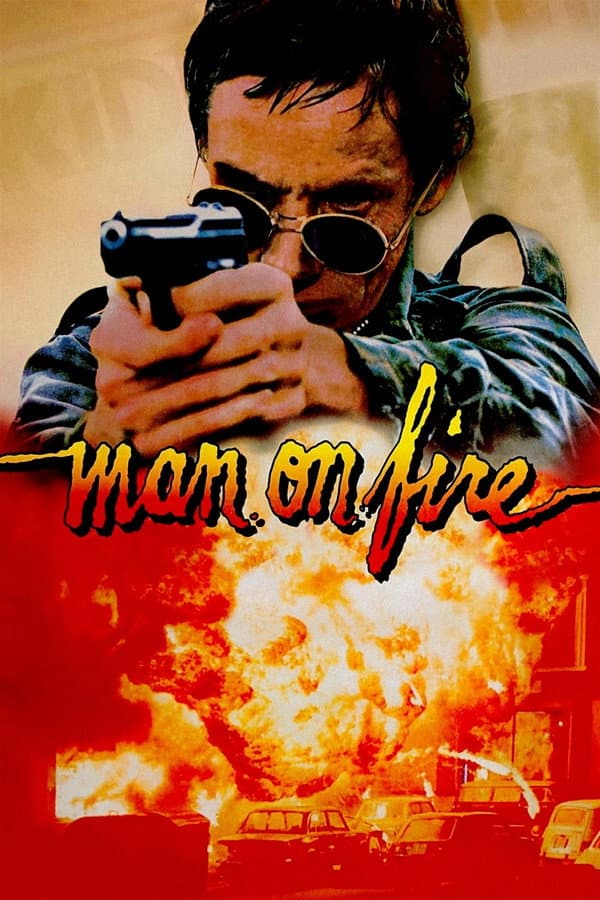
Man on Fire
1987 • Drama, Thriller • R
Creasy, a traumatized ex-CIA agent, gets a job as a bodyguard for Samantha, the twelve-year-old daughter of a wealthy Italian family living in a swanky villa on the shores of Lake Como.
Runtime: 1h 33m
Buy related books from Amazon
As an Amazon Associate I earn from qualifying purchases. Read the full disclosure.
Why you should read the novel
Before watching Man on Fire (1987), experience the original vision in A. J. Quinnell’s novel Man on Fire. The book delivers richer characterization, slow-burn suspense, and a razor‑sharp exploration of loyalty, trauma, and redemption that the screen can only hint at.
Quinnell’s thriller immerses you in Creasy’s psyche—his mercenary past, scars, and surprising tenderness—as well as the intricate realities of high-stakes kidnapping in Italy. You’ll find layered motives, authentic tradecraft, and moral complexity that reward careful reading far beyond a two-hour runtime.
If you crave gritty crime fiction, methodical revenge, and unforgettable character depth, choose the source material. Read A. J. Quinnell’s Man on Fire to get the complete story, authoritative world‑building, and the pulse of the narrative the film adapts.
Adaptation differences
Curious about the differences between the Man on Fire book and the 1987 movie? Quinnell’s novel spends far more time inside Creasy’s head, charting his discipline, despair, and gradual emotional thaw. The film conveys this arc visually and through dialogue, necessarily trimming the inner monologue and the meticulous build of their bond.
Plot structure and pacing diverge as well. The novel’s vendetta is broader, more procedural, and strategically layered, stretching across multiple operations and power players. The 1987 adaptation condenses events, streamlines the timeline, and reduces the number of antagonists to keep the narrative tight and cinematic.
Characters and relationships see notable adjustments. Names, ages, and backgrounds of the child and family differ between page and screen; several supporting figures in law enforcement, the underworld, and Creasy’s network are merged or omitted. This reshaping simplifies motivations while the book nurtures a larger, grittier ecosystem around the crime.
Tone and outcomes also shift. The novel is harsher and more uncompromising in its violence and consequences, while the film aims for a self-contained resolution. The book’s ending positions Creasy for further stories in the series, whereas the 1987 movie delivers closure tailored to a single feature—preserving the core emotional bond, but altering fates and emphasis for maximum impact on screen.
Man on Fire inspired from
Man on Fire
by A. J. Quinnell