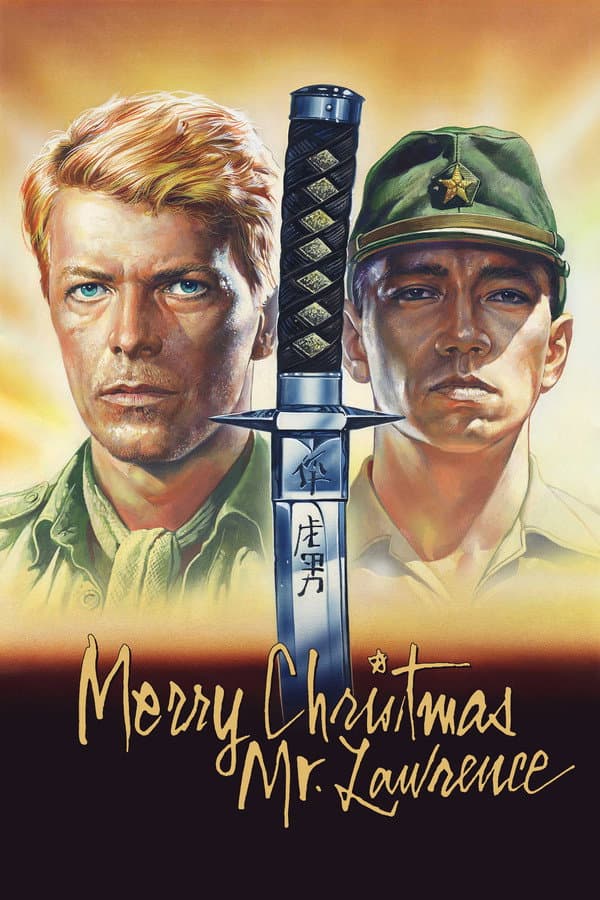
Merry Christmas, Mr. Lawrence
1983 • Drama, History, War • R
Island of Java, 1942, during World War II. British Major Jack Celliers arrives at a Japanese prison camp, run by the strict Captain Yonoi. Colonel John Lawrence, who has a profound knowledge of Japanese culture, and Sergeant Hara, brutal and simpleton, will witness the struggle of wills between two men from very different backgrounds who are tragically destined to clash.
Runtime: 2h 4m
Buy related books from Amazon
As an Amazon Associate I earn from qualifying purchases. Read the full disclosure.
Why you should read the novel
Before pressing play on Merry Christmas, Mr. Lawrence, experience the source that inspired it: Laurens van der Post’s The Seed and the Sower. This powerful World War II novel invites you inside the minds of prisoners and captors, revealing the moral complexities the camera can only hint at.
Reading the book delivers richer cultural insight, deeper character psychology, and the kind of slow-blooming tension that rewards close attention. Van der Post’s prose explores honor, shame, mercy, and obsession with a nuance that turns every page into a new revelation.
If you want the most complete story, go to the source. The Seed and the Sower offers layered backstories, reflective passages, and intimate perspectives that make the film’s most iconic moments resonate even more. Discover the depth behind the legend—read the novel first.
Adaptation differences
The novel’s structure is more expansive and introspective than the film’s streamlined narrative. Laurens van der Post presents interwoven accounts and reflective passages that move among perspectives, while the movie concentrates on a single, propulsive through-line centered on Celliers, Yonoi, Lawrence, and Hara.
Inner life is where the book shines, and the film inevitably compresses it. The Seed and the Sower unfolds through memory, letters, and meditative commentary; Oshima translates much of that psychology into image, silence, and music, sacrificing extended interior monologues for visual economy and tone.
The movie intensifies and visualizes the Yonoi–Celliers fixation, crystallizing it in bold, public gestures (notably the famous parade-ground confrontation) that have no direct, one-to-one counterpart in the prose. In the book, attraction, shame, honor, and spiritual conflict are articulated more through reflection and cultural context than through singular set pieces.
Key events and scope are condensed on screen. Camp politics, cultural exposition, and episodic rhythms of cruelty and clemency span a wider canvas in the novel, while the film unifies them into fewer emblematic scenes—such as the Christmas-night mercy and the postwar jail visit—shaping a cleaner arc and a more ambiguous, haunting final tone.
Merry Christmas, Mr. Lawrence inspired from
The Seed and the Sower
by Laurens van der Post