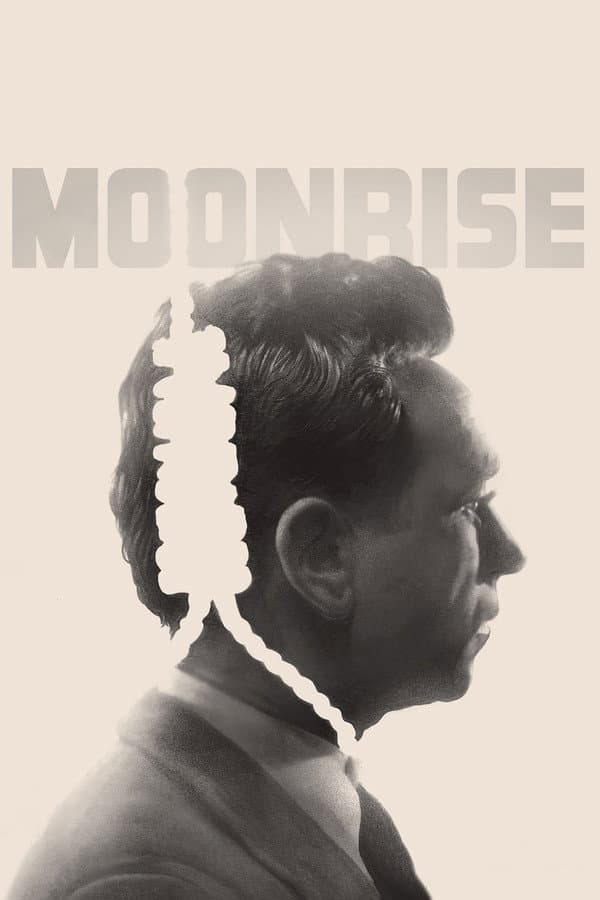
Moonrise
1948 • Drama • NR
Stigmatized from infancy by the fate of his criminal father, a man is bruised and bullied until one night, in a fit of rage, he kills his most persistent tormentor. As the police close in around him, he makes a desperate bid for the love of the dead man’s girlfriend, a schoolteacher who sees the wounded soul behind his aggression.
Runtime: 1h 30m
Buy related books from Amazon
As an Amazon Associate I earn from qualifying purchases. Read the full disclosure.
Why you should read the novel
Before watching the 1948 film, experience the source: Moonrise by Theodore Strauss. This gripping American noir novel plunges you inside Danny Hawkins’s haunted psyche, where small-town gossip, guilt, and destiny collide.
Reading the original Moonrise novel delivers the full psychological depth the movie can only suggest. Strauss’s taut prose, intimate interiority, and nuanced social detail build mounting dread and empathy page by page.
If you love classic crime fiction and film noir, choose the book first. Discover richer motivations, sharper moral ambiguity, and a human story that rewards careful reading long after any screen adaptation would fade.
Adaptation differences
Key differences between the Moonrise movie and the book begin with tone. Under the Production Code, Frank Borzage’s 1948 film leans toward tenderness and redemption, while Theodore Strauss’s novel is darker, bleaker, and more psychologically unsparing.
The novel keeps you inside Danny Hawkins’s head—his shame, paranoia, and inherited stigma—through sustained interior monologue. The film must externalize that turmoil with expressionist imagery, dialogue, and performance, inevitably simplifying some of his most conflicted thoughts.
Plot and pacing diverge as well. The book lingers on small-town social cruelty, backstory, and the slow consequences of the killing; the adaptation condenses timelines, trims side characters, and streamlines subplots to sustain a tight feature-length narrative.
Finally, the endings differ in emphasis. The film favors confession, community compassion, and a path forward for Danny and Gilly; the novel’s resolution is more chastened and morally ambiguous, leaving readers with fewer reassurances and more lasting unease.
Moonrise inspired from
Moonrise
by Theodore Strauss