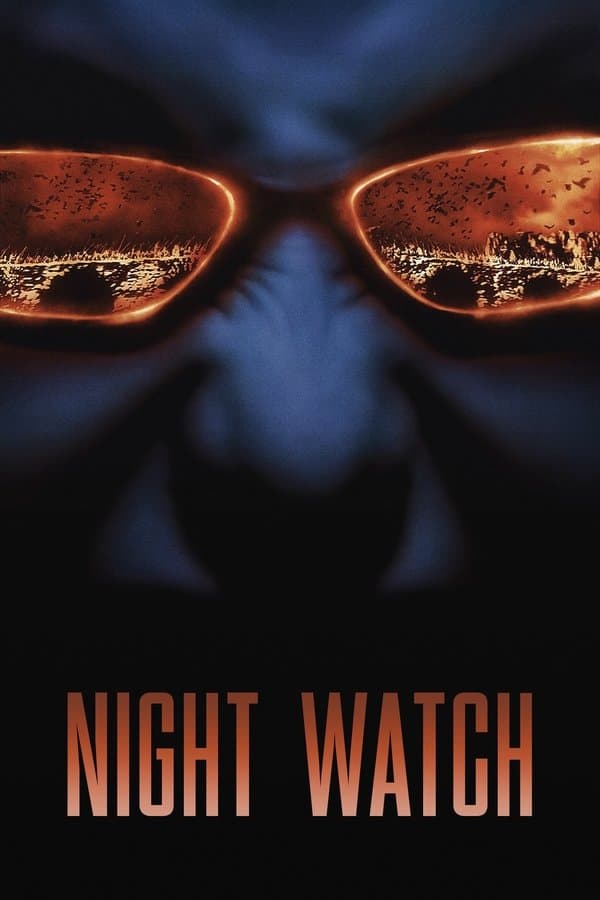
Night Watch
2004 • Action, Fantasy, Thriller • R
Among normal humans live the "Others" possessing various supernatural powers. They are divided up into the forces of light and the forces of the dark, who signed a truce several centuries ago to end a devastating battle. Ever since, the forces of light govern the day while the night belongs to their dark opponents. In modern day Moscow the dark Others actually roam the night as vampires while a "Night Watch" of light forces, among them Anton, the movie's protagonist, try to control them and limit their outrage
Runtime: 1h 54m
Buy related books from Amazon
As an Amazon Associate I earn from qualifying purchases. Read the full disclosure.
Why you should read the novels
Discover the spellbinding depth of Sergei Lukyanenko’s Night Watch, the urban fantasy classic that inspired the movie. The novel’s richly built Moscow—alive with Light and Dark Others—delivers atmosphere, mystery, and philosophical tension you can’t fully capture on screen.
Read Night Watch and Day Watch to experience Anton Gorodetsky’s sardonic voice, the intricate rules of the supernatural truce, and the nuanced moral choices that define this world. The books balance magical intrigue with wry humor and street-level realism, creating a uniquely immersive, page-turning experience.
If you loved the film’s style, you’ll be amazed by the novels’ deeper lore, layered character development, and sophisticated ethics. For fans of smart urban fantasy, reading the source material is the definitive way to explore the Watch universe.
Adaptation differences
Structure first: the Night Watch novel unfolds as interconnected stories, building its universe through cases and investigations. The film compresses and reshapes that material into a single, linear thriller, merging timelines and streamlining subplots for pace and spectacle.
Character focus shifts as well. On the page, Anton’s introspective narration drives the moral complexity; on screen, he becomes a leaner, grittier action protagonist. Geser and Zavulon’s chess‑master strategies and shades of gray are reduced, while Olga, Svetlana, and Yegor follow condensed arcs centered on a dramatic prophecy.
Worldbuilding is simplified for cinema. The novels detail the Twilight’s layered realms, binding contracts, licenses, and the transactional costs of magic. The movie visualizes key concepts but trims legalistic nuances, magical bookkeeping, and the bureaucratic machinery that make the Watch and the Day Watch feel plausibly institutional.
Tone and themes diverge notably. The books emphasize ethical ambiguity, negotiation, and consequences; conflicts often resolve through logic, rules, and cunning bargains. The film leans into high-stakes action-horror, stylized set pieces, and apocalyptic momentum, trading some of the series’ philosophical debate and dry humor for immediacy and visual impact.
Night Watch inspired from
Day Watch
by Sergei Lukyanenko, Vladimir Vasiliev
Night Watch
by Sergei Lukyanenko