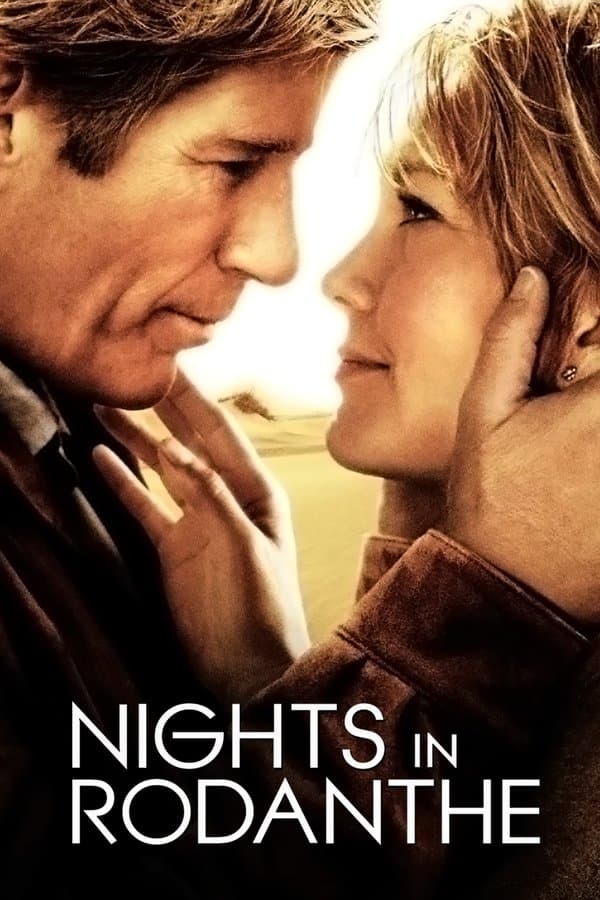
Nights in Rodanthe
2008 • Drama, Romance • PG-13
Adrienne is trying to decide whether to stay in her unhappy marriage or not, and her life changes when Paul, a doctor who is travelling to reconcile with his estranged son, checks into an inn where she is staying.
Runtime: 1h 37m
Buy related books from Amazon
As an Amazon Associate I earn from qualifying purchases. Read the full disclosure.
Why you should read the novel
Before streaming the film, discover the deeper heart of the story in the Nicholas Sparks novel Nights in Rodanthe. The book’s lyrical prose and intimate perspective reveal motivations, regrets, and second chances that the screen can only suggest.
Readers who love coastal settings will savor vivid Outer Banks details, from windswept beaches to small-town rhythms. The novel expands Adrienne and Paul’s inner lives, their letters, and the emotional stakes—perfect for anyone seeking a richer, more reflective romance experience.
For book clubs, romance readers, and fans of Sparks, the Nights in Rodanthe book offers exclusive scenes, fuller backstory, and themes of healing and forgiveness. Choose the novel in paperback, ebook, or audiobook to experience the complete, unforgettable journey.
Adaptation differences
One of the biggest differences between the Nights in Rodanthe movie and book is structure. The novel frames events as Adrienne recounts her past to her daughter, creating a reflective, intimate narrative; the film largely tells the romance in the present, trimming much of that framed storytelling and internal monologue.
Characterization is also streamlined on screen. The movie condenses ages, backstories, and side plots, reshaping the roles of Adrienne’s family and her best friend Jean. While the book lingers on personal histories and parent–child dynamics, the film prioritizes the central relationship and uses letters more sparingly to move the plot.
Tone and setting shift with adaptation choices. The film heightens coastal spectacle—the iconic beachfront inn, storm sequences, and windswept imagery—while the novel balances atmosphere with quieter, meditative passages and more small-town texture. Readers get more on day-to-day life, regrets, and healing; viewers get a visually driven romance.
The ending beats align in spirit, but timing and emphasis differ. The book unfolds grief, reflection, and the meaning of the letters and journals over a broader emotional arc. The film compresses events and conveys the aftermath with visual cues and montage, softening or reshaping transitions while preserving the story’s core of love, loss, and renewal.
Nights in Rodanthe inspired from
Nights in Rodanthe
by Nicholas Sparks