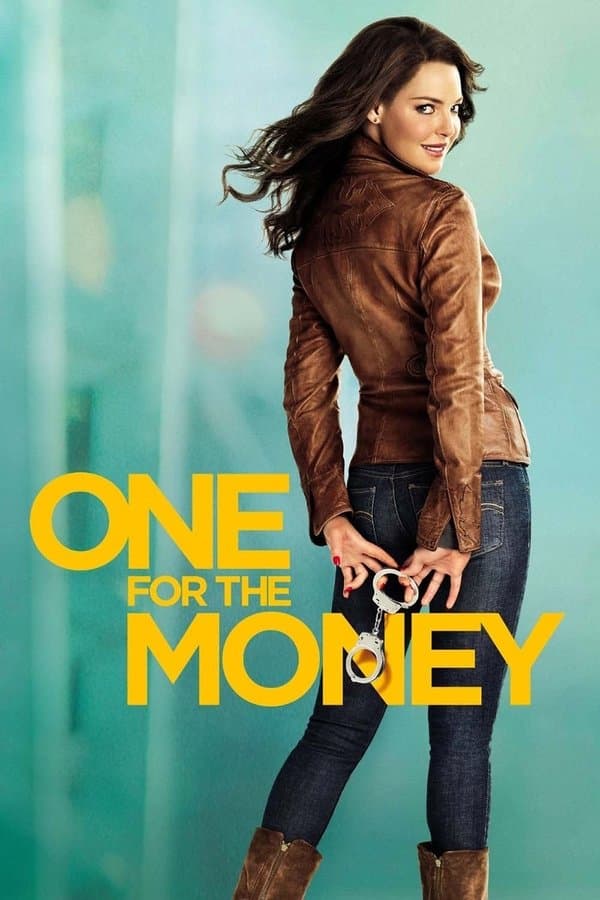
One for the Money
2012 • Action, Comedy, Crime • PG-13
An unemployed lingerie buyer convinces her bail bondsman cousin to give her a shot as a bounty hunter. Her first assignment is to track down a former cop on the run for murder – the same man who broke her heart years before. With the help of some friends and the best bounty hunter in the business, she slowly learns what it takes to be a true bounty hunter.
Runtime: 1h 31m
Buy related books from Amazon
As an Amazon Associate I earn from qualifying purchases. Read the full disclosure.
Why you should read the novel
If you enjoyed the movie One for the Money, step into Janet Evanovich’s original Stephanie Plum novel for sharper humor, richer mystery, and a voice so lively you’ll hear it in your head. The book’s first‑person narration delivers the wit, attitude, and intimacy that no screen can fully capture.
Reading the One for the Money book drops you into Trenton, New Jersey with street‑level detail, crackling banter, and unforgettable chemistry between Stephanie, Joe Morelli, and Ranger. The novel layers clues and comedy with just‑edgy‑enough danger, building a world that feels lived‑in and addictively page‑turning.
Choose the Stephanie Plum novel over the film to get bigger laughs, deeper suspense, and fuller character arcs. If you love witty crime capers, rom‑com mysteries, and immersive storytelling, read One for the Money by Janet Evanovich and experience the story the way it was meant to be told.
Adaptation differences
The biggest difference between the One for the Money movie and Janet Evanovich’s book is tone and voice. The novel’s first‑person narration lets Stephanie’s snark, anxieties, and gritty determination shine, while the film leans brighter and breezier, softening language and edge for a PG‑13 feel. On the page, the humor crackles darker and the internal monologue drives the comedy and tension.
Character depth also shifts. In the book, Stephanie’s complicated history with Joe Morelli and her slow‑burn, magnetic pull toward Ranger are explored with more nuance. Lula’s evolution unfolds across the series on the page, while the film fast‑tracks her into a comic sidekick role. Secondary characters like Connie, Grandma Mazur, and Eddie Gazarra have richer textures in print, with more backstory and running gags.
The plot is streamlined for the movie. The novel’s investigation features a denser breadcrumb trail, more suspects and interviews, and longer, messier stakeouts that build suspense and community flavor. On screen, timelines compress, clue threads combine, and several subplots and Trenton set pieces are trimmed or rearranged to keep the pace brisk within feature‑length constraints.
Content and stakes are dialed differently. The book’s menace—especially around the antagonist stalking Stephanie—hits harder and more intensely, while the film tones it down. Romance is recalibrated for cinematic beats, giving the Stephanie–Morelli banter a lighter, flirtier sheen and reducing Ranger’s mystique and presence. Readers looking for sharper danger, richer chemistry, and heart‑in‑throat tension will find more of it in the novel.
One for the Money inspired from
One for the Money
by Janet Evanovich