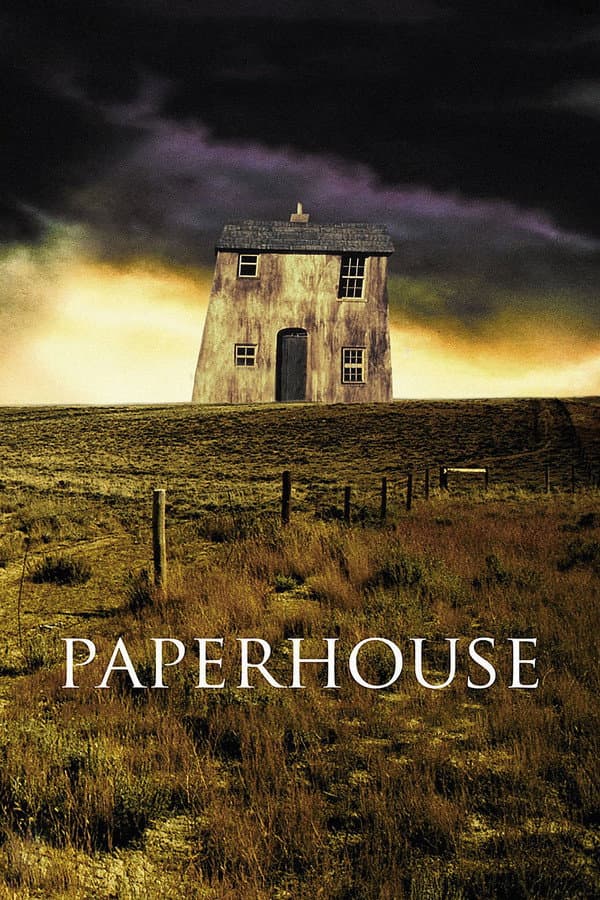
Paperhouse
1988 • Drama, Fantasy • PG-13
A young girl lost in the loneliness and boredom of reality finds solace in an ill boy, whom she can visit in a surreal dream world that she drew in her school composition book.
Runtime: 1h 32m
Buy related books from Amazon
As an Amazon Associate I earn from qualifying purchases. Read the full disclosure.
Why you should read the novel
Before you press play on Paperhouse, discover the original magic in Catherine Storr’s Marianne Dreams. This classic novel invites you into a hauntingly imaginative world where pencil lines reshape reality and courage is quietly forged.
Reading Marianne Dreams delivers nuances no screen can capture: Storr’s precise language, the rules of a living drawing, and the intimate thoughts of children navigating fear, friendship, and recovery. It’s an unforgettable blend of eerie atmosphere and compassionate insight.
Whether you’re a lifelong fan of dark fantasy or sharing a powerful read with younger readers, the book’s suspense, symbolism, and emotional depth reward every page. Choose the source material for richer character arcs, subtler chills, and lasting literary resonance.
Adaptation differences
Tone and audience shift significantly. Marianne Dreams is a children’s novel—unsettling, yes, but guided by warmth, wit, and problem-solving. Paperhouse intensifies the dread, leaning into psychological horror, stark imagery, and a more mature exploration of trauma and loss.
Characters and relationships are reconfigured. The novel’s heroine Marianne becomes Anna in the film, while Mark remains the boy in the dream-house. Paperhouse also introduces a volatile father presence whose monstrous, blind alter ego dominates the dream world—an invention absent from the book, which favors impersonal, symbolic threats like the watching stones and the limitations of imperfect drawings.
Illness and recovery are framed differently. Storr’s story reflects postwar childhood convalescence and gradual healing, with an emphasis on resilience and empathy. The film presents the boy’s condition as a severe degenerative illness and underscores mortality and pain, bringing medical professionals and real-world hospital scenes to the forefront to heighten stakes and realism.
Plot mechanics and resolution diverge. The book lingers on the rules of drawn objects—food you can see but can’t reach, guardians without feet, keys that change fates—emphasizing puzzle-like problem-solving and inner growth. Paperhouse compresses these mechanics, adds violent confrontations, and advances the children’s real-world encounter earlier, shifting the climax toward catharsis and danger rather than the novel’s quieter, restorative conclusion.
Paperhouse inspired from
Marianne Dreams
by Catherine Storr