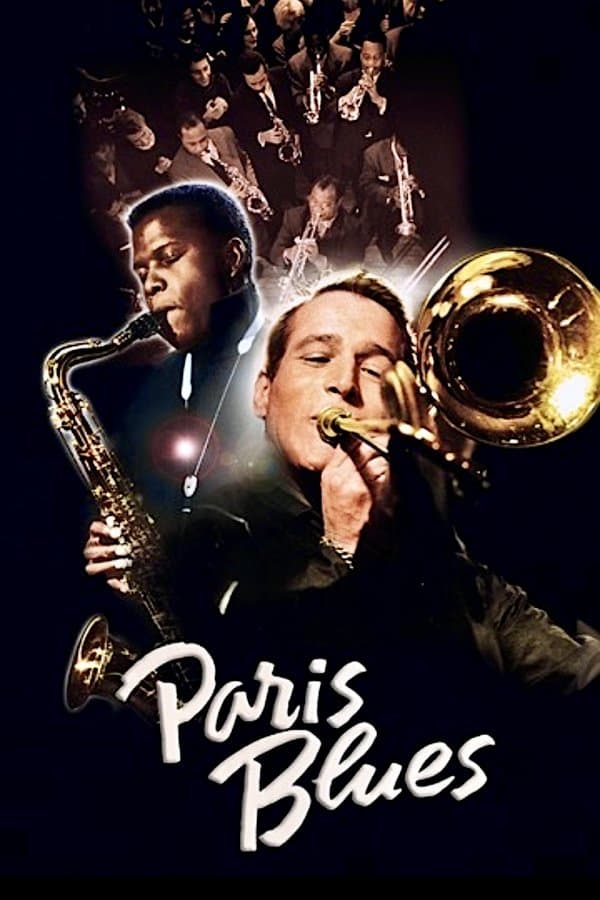
Paris Blues
1961 • Drama, Music, Romance
During the 1960s, two American jazz musicians living in Paris meet and fall in love with two American tourist girls and must decide between music and love.
Runtime: 1h 38m
Buy related books from Amazon
As an Amazon Associate I earn from qualifying purchases. Read the full disclosure.
Why you should read the novel
Before you press play on the film, discover the Paris Blues novel by Harold Flender—the original source that inspired the 1961 movie. Flender’s book immerses you in the Left Bank’s late-night clubs, smoky rehearsal rooms, and the complex inner lives of American artists abroad with a depth no camera can fully capture.
Reading the Paris Blues book lets you experience the story’s richer themes—racial identity, creative freedom, and the seductive pull of expatriate Paris—told with nuance and insight. If you’re curious about the Civil Rights–era tensions the film only hints at, the novel’s candid perspective will reward you page after page.
Choose the source novel instead of the movie to savor character-driven storytelling, layered social context, and intimate psychological detail. Whether you love jazz fiction, literary Paris, or classic cinema origins, Harold Flender’s Paris Blues is the essential, authentic way to experience this tale.
Adaptation differences
Curious about the differences between the Paris Blues movie and the book? In Harold Flender’s novel, both protagonists are Black American jazz musicians, a choice that centers the story squarely on race, artistry, and exile. The film recasts one lead as white (Paul Newman), shifting interpersonal dynamics, friendship tensions, and how Paris’s supposed freedom contrasts with America’s racial realities.
Another key change involves romance and representation. The novel engages more directly with interracial desire and the color line, while the movie avoids depicting an interracial couple, pairing characters by race instead. This softening reflects studio-era caution and results in a screen version that’s less confrontational than the book about who loves whom—and why that matters in 1960s America.
Tone and focus diverge as well. The Paris Blues film foregrounds performance, atmosphere, and star chemistry—buoyed by Duke Ellington’s score—while the book digs into interiority: the push-pull of ambition, the psychic cost of leaving home, and the hard conversations about racism that drive expatriation. Where the movie often suggests mood, the novel articulates motive.
Finally, the adaptation condenses subplots and streamlines character arcs to fit a romantic-drama structure. Scenes that in the book explore community, political context, and artistic compromise become briefer, more symbolic moments on screen. The novel embraces ambiguity about staying in Paris or returning to the United States; the film leans into cleaner resolutions, trading some of the source material’s complexity for cinematic momentum.
Paris Blues inspired from
Paris Blues
by Harold Flender