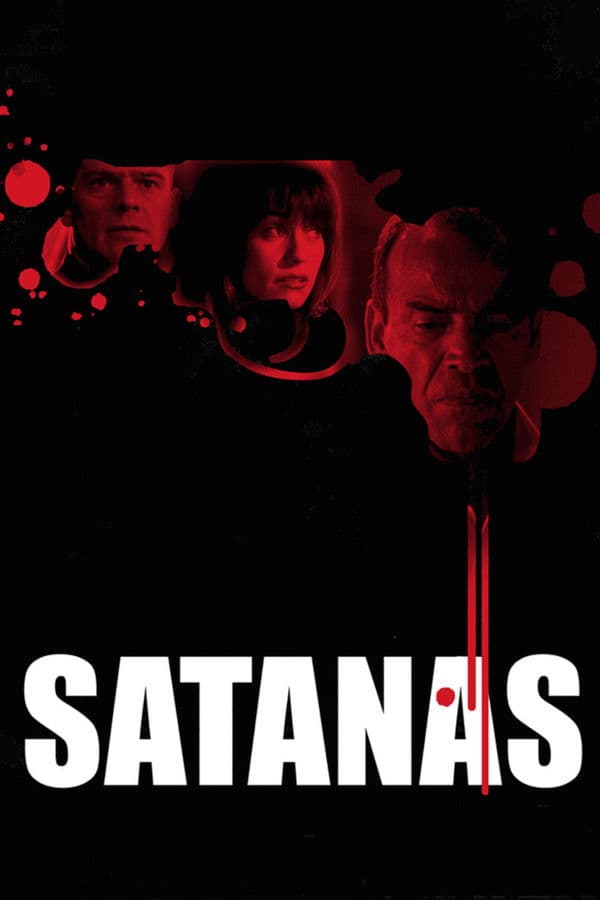
Satanás - Profile of a Killer
2007 • Crime, Drama, Thriller • R
Based on the Mario Mendoza's book and inspired by true events, tells three interconnected stories happening in the eve of the infamous Pozzetto Massacre.
Runtime: 1h 35m
Buy related books from Amazon
As an Amazon Associate I earn from qualifying purchases. Read the full disclosure.
Why you should read the novel
Before pressing play on the film, experience Mario Mendoza’s Satanás on the page, where the psychological unraveling, moral ambiguity, and urban unease unfold with a depth no screen can match. The novel’s layered prose pulls you into Bogotá’s streets and into the characters’ minds, capturing textures, doubts, and obsessions that the camera can only suggest.
Reading the book gives you a front-row seat to the intimate interior worlds behind the headlines. Satanás explores trauma, faith, guilt, and predation with the nuance of literary fiction, turning a true-crime premise into a profound psychological and social portrait. If you’re seeking more than a plot, the novel rewards you with voice, atmosphere, and thematic resonance.
For fans of psychological thrillers, Latin American literature, and crime novels rooted in real events, Satanás is the definitive source. Discover why the story’s enduring power begins on the page—where its moral questions linger longer, the city breathes louder, and the human cost feels unforgettably real.
Adaptation differences
The novel Satanás is structured as interlinked narratives that read like three fully realized novellas, each with its own tone and rhythm. The film condenses these strands into a tighter, chronologically driven thriller, intercutting more aggressively to maintain momentum. On the page, the thematic links emerge gradually; on screen, the convergence is immediate and plot-centered.
Point of view marks a major difference. The book privileges interiority—confession-like passages, memories, anxieties, and moral self-justifications—so readers inhabit the characters’ minds. The adaptation necessarily externalizes this psychology through performances, staging, and visual cues, which clarifies action but reduces access to the characters’ sustained inner monologues and philosophical doubts.
Character scope and subplots are leaner in the film. Several secondary figures and backstories are streamlined or omitted, and some roles feel like composites to fit the runtime. The novel lingers on Bogotá’s social fabric—class tensions, religious undercurrents, scams, and everyday humiliations—creating a wider socio-moral canvas than the adaptation can fully accommodate.
Tone and emphasis also diverge. The book balances moral inquiry with slow-burn dread, often leaving key moments offstage to intensify ambiguity and aftermath. The film visualizes pivotal incidents and the climactic violence more directly, heightening suspense and shock while trimming the post-event moral reckoning that the novel extends across its final pages.
Satanás - Profile of a Killer inspired from
Satanás (English: Satanas) — A Novel
by Mario Mendoza