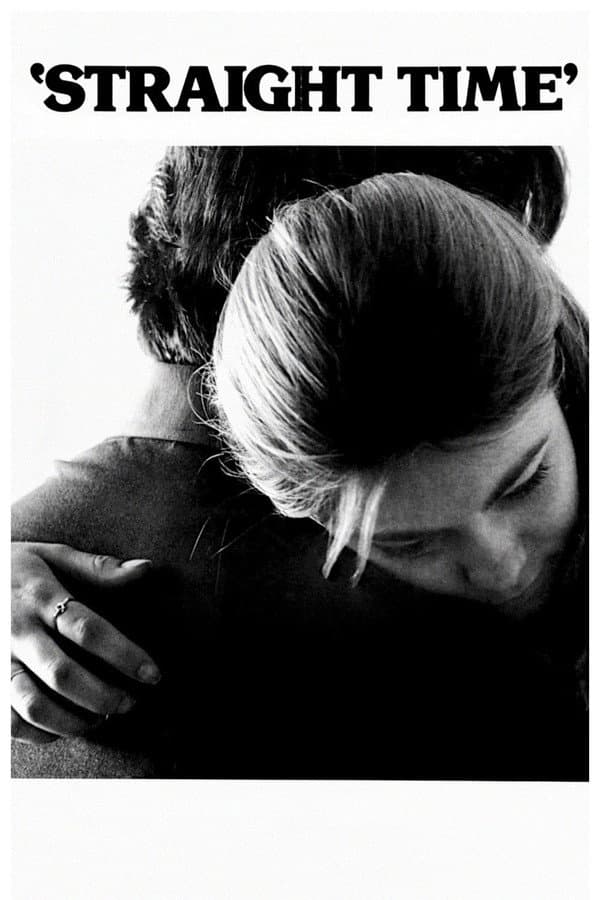
Straight Time
1978 • Crime, Drama • R
After being released on parole, a burglar attempts to go straight, get a regular job, and just go by the rules. He soon finds himself back in jail at the hands of a power-hungry parole officer.
Runtime: 1h 54m
Buy related books from Amazon
As an Amazon Associate I earn from qualifying purchases. Read the full disclosure.
Why you should read the novel
Before pressing play on Straight Time (1978), experience the source material that inspired it: No Beast So Fierce by Edward Bunker. This acclaimed crime novel delivers raw authenticity and a gripping, street-level portrait of a man trying—and failing—to go straight in Los Angeles.
Bunker’s voice is unfiltered, insightful, and steeped in hard-earned knowledge of prisons, parole, and the criminal underworld. Readers get a sharper, deeper understanding of the forces that shape a career criminal—insights the film can only hint at. If you crave powerful noir fiction with psychological depth, the book is essential.
No Beast So Fierce stands as a cornerstone of modern crime literature. Search for the Edward Bunker novel that inspired Straight Time, and read the original classic to get the full, uncompromised story—tension, detail, and moral complexity included.
Adaptation differences
Curious about the differences between Straight Time and No Beast So Fierce? The novel gives you direct access to Max Dembo’s interior life—his paranoia, calculations, and survival code—through immersive prose. The film captures the surface realism, but the book’s first-hand perspective makes the cycle of recidivism and the pressure of parole far more palpable and psychologically nuanced.
Character dynamics also diverge. In Straight Time, the parole officer becomes a concentrated, visible antagonist, while the novel spreads critique across a wider, systemic web of supervision and bureaucracy. The movie streamlines relationships—especially the romance—into a single, focused thread (Jenny), whereas the book treats intimacy, loyalty, and trust with greater complexity and messiness across multiple interactions.
Plot structure is tighter in the movie and broader in the book. No Beast So Fierce explores a longer timeline, additional hustles, and the meticulous logistics of robberies and criminal networking, reflecting Bunker’s insider knowledge. Straight Time condenses these operations into fewer set pieces to maintain cinematic momentum, trimming procedural detail the novel relishes.
Tone and outcome differ as well. Bunker’s novel is harsher, angrier, and more overtly fatalistic, hammering home the systemic traps facing ex-convicts. The film preserves the grit but favors observational restraint and a more contained arc. If you want the fullest compare-and-contrast of Straight Time vs No Beast So Fierce—theme, tone, character depth, and criminal detail—the book provides the denser, darker, and more indicting experience.
Straight Time inspired from
No Beast So Fierce
by Edward Bunker