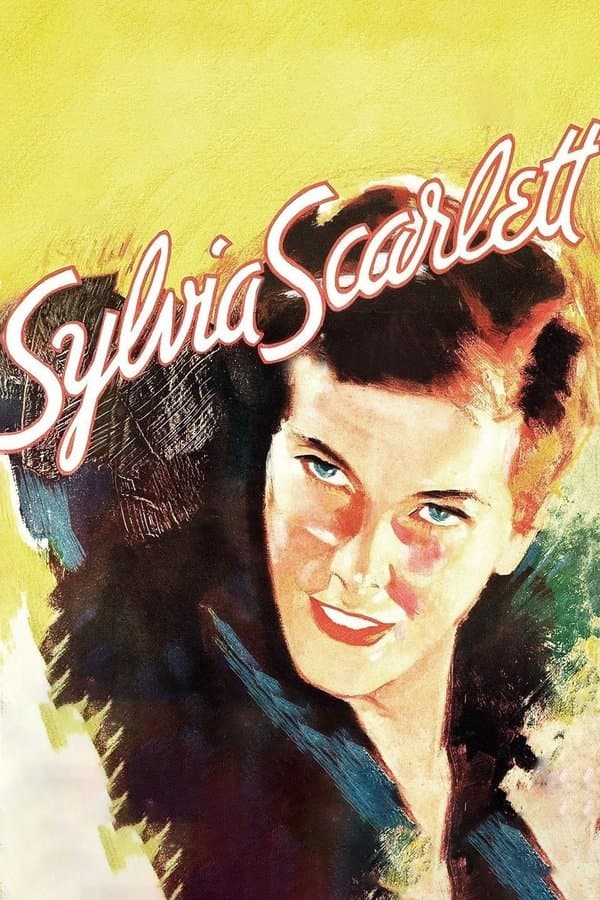
Sylvia Scarlett
1935 • Comedy, Drama, Romance • NR
When her father decides to flee to England, young Sylvia Scarlett must become Sylvester Scarlett and protect her father every step of the way, with the questionable help of plenty others.
Runtime: 1h 37m
Buy related books from Amazon
As an Amazon Associate I earn from qualifying purchases. Read the full disclosure.
Why you should read the novel
Before you press play on the 1935 film, discover Compton Mackenzie’s original novel, The Early Life and Adventures of Sylvia Scarlett. The book’s witty, observant prose offers a richer, more daring exploration of identity, ambition, and reinvention than any single screen version can capture.
On the page, Sylvia’s voice and world unfold with vivid European and English settings, sharp social detail, and the kind of nuanced character growth that fuels unforgettable literary journeys. Readers who love classic literature, gender-disguise stories, and picaresque adventures will find layered themes and memorable set pieces that reward close reading.
If you’re searching for the ultimate Sylvia Scarlett experience, start with the novel. It’s the authoritative source for the character’s motivations, the stakes behind every disguise, and the textured relationships that inspired Hollywood—making your eventual viewing of the movie more insightful, informed, and satisfying.
Adaptation differences
Major differences between the Sylvia Scarlett movie and the book begin with tone and genre. Compton Mackenzie’s novel is a picaresque coming-of-age tale—meandering, introspective, and socially observant—while the 1935 film reframes the material as a brisk screwball caper. The movie emphasizes comic momentum and romantic chemistry, streamlining the story to fit studio-era expectations.
The book traces a longer arc of travels, disguises, and social encounters, giving Sylvia’s decisions space to breathe. By contrast, the film compresses timelines, consolidates episodes, and introduces a raffish con-man, Jimmy Monkley, to anchor several set pieces. This shift privileges spectacle and pace over the novel’s episodic sprawl and detailed social textures.
Character emphasis and relationships also diverge. The novel dwells on Sylvia’s inner conflicts—class anxiety, gender performance, and moral ambiguity—whereas the movie often externalizes these tensions through comic misunderstandings and tidy romantic turns. Figures like Michael Fane and other companions serve different narrative purposes on screen, with motivations simplified or redirected to heighten charm and clarity.
Finally, the endings and themes resolve differently. The book’s treatment of identity, desire, and consequence is more elastic and open-ended, in keeping with its literary scope. The film, shaped by 1930s Hollywood conventions and censorship norms, tidies emotional outcomes and softens the sharper social edges. The result is a lively entertainment that diverges in emphasis from Mackenzie’s more layered, provocative source.
Sylvia Scarlett inspired from
The Early Life and Adventures of Sylvia Scarlett
by Compton Mackenzie