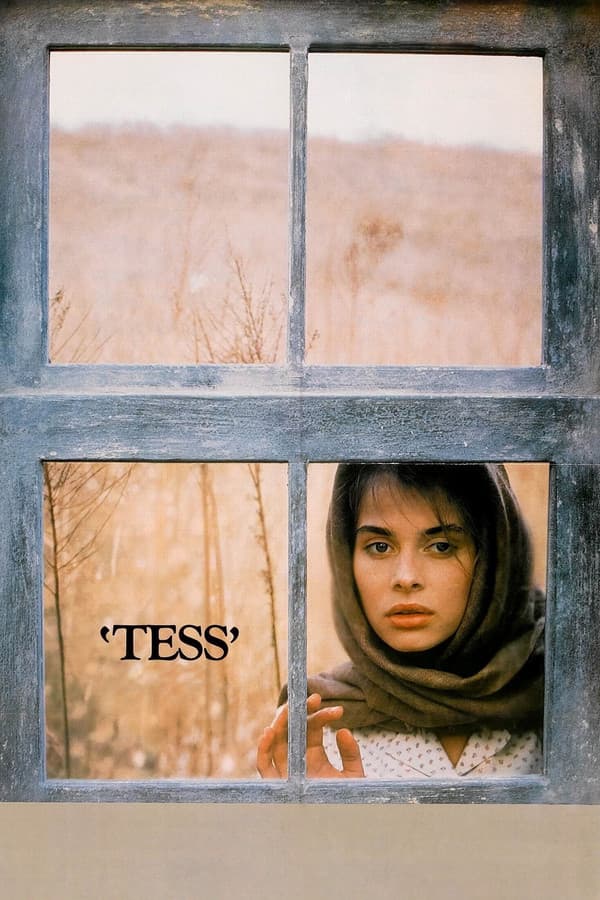
Tess
1979 • Drama, Romance • PG
A strong-willed peasant girl is sent by her father to the estate of some local aristocrats to capitalize on a rumour that their families are from the same line. This fateful visit commences an epic narrative of sex, class, betrayal, and revenge.
Runtime: 2h 52m
Buy related books from Amazon
As an Amazon Associate I earn from qualifying purchases. Read the full disclosure.
Why you should read the novel
Before pressing play on the film, experience the full power of Thomas Hardy’s Tess of the d’Urbervilles. The novel’s immersive Wessex landscapes, nuanced psychology, and searing social critique reveal layers of meaning the screen can only suggest. Reading the book delivers Hardy’s language, irony, and moral complexity—essential for understanding why this classic reshaped English literature.
If you’re seeking the most complete Tess experience, choose the source. Unabridged and annotated editions illuminate historical context, dialect, biblical allusions, and Victorian customs that shape Tess’s choices. Whether you prefer print, ebook, or audiobook, the novel rewards close reading with depth, symbolism, and unforgettable prose the movie necessarily compresses.
For students, book clubs, and lifelong readers, the novel offers richer character development, sharper class commentary, and a more intricate structure. Discover why critics and teachers recommend reading Tess of the d’Urbervilles first—then watch the adaptation with fresh insight and a deeper emotional connection.
Adaptation differences
Scope and structure are streamlined in the film. Roman Polanski condenses multiple phases of Tess’s life, trims or merges secondary characters, and accelerates transitions between Marlott, Talbothays, and Flintcomb-Ash. The novel’s broader social world—family dynamics, village life, seasonal labor rhythms, and farm subplots—is significantly reduced, shifting the emphasis toward a more intimate, linear tragedy.
Hardy’s narrative voice and Tess’s interiority are central to the book but necessarily diminished on screen. The novel’s irony, authorial commentary, and penetrating moral analysis guide readers through questions of purity, fate, class, and gender. The film substitutes visual storytelling—light, landscape, and framing—for Hardy’s explanatory passages, resulting in a mood-rich, elegiac experience that softens the novel’s explicit social critique and theological debate.
Key events are interpreted differently. The novel famously leaves the encounter in The Chase morally and narratively ambiguous; the film presents Alec’s assault more unambiguously as coercive violence. Alec’s evangelical turn and backslide, Tess’s confession to Angel, and Angel’s self-exile are all compressed, altering pacing and emphasis. Angel’s harshness and later remorse remain, but the adaptation tends to soften his portrayal and shortens the chronology of separation and reunion for cinematic momentum.
Setting and tone also diverge. While the book is rooted in Hardy’s Wessex, the movie’s French locations recreate rural England with painterly precision but a different texture. Dialect and vernacular are pared back, and Tess is depicted as slightly older than in the novel, affecting perceptions of innocence and vulnerability. The adaptation favors visual elegance and romantic fatalism; the book supplies grittier detail, sharper class tensions, and a more expansive meditation on society’s role in Tess’s fate.
Tess inspired from
Tess of the d'Urbervilles
by Thomas Hardy