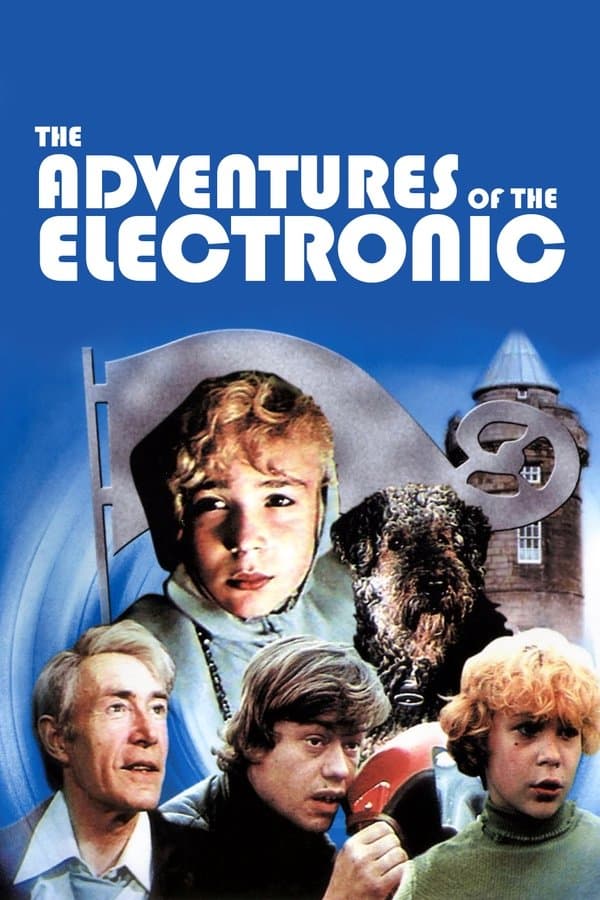
The Adventures of the Electronic
1980 • Adventure, Family, Science Fiction
Professor Gromov constructs a robot called Electronic, which looks exactly like Sergey Syroezhkibn, a 6-grader from one of Odessa (USSR) schools. The robot also acts a lot like a human, and its dream is to become a real man. Electronic escapes from the professor's lab and accidentally meets Sergey, his prototype. Meanwhile, a gang lead by Stump is trying to kidnap Electronic to make him steal pictures from museums. For this purpose they send their hitman Urrie.
Runtime: 3h 35m
Buy related books from Amazon
As an Amazon Associate I earn from qualifying purchases. Read the full disclosure.
Why you should read the novels
Before you watch The Adventures of the Electronic, experience the original spark in Yevgeny Veltistov’s classic novels. Electronic: The Boy from the Briefcase and Ressi the Elusive build a vivid world where science fiction meets heartfelt coming‑of‑age storytelling—straight from the source.
Reading Veltistov offers more depth than any screen can capture. You’ll explore Electronic’s learning mind, Sergey’s inner struggles, and the ethical questions about identity, responsibility, and friendship that the movie only hints at. It’s the complete, author‑crafted vision that inspired the beloved film.
If you enjoy retro sci‑fi, Soviet children’s literature, and intelligent adventures, these books are essential. Discover the original character arcs, expanded world‑building, and suspenseful plot threads that make the Electronic cycle a timeless read, perfect for fans of book‑to‑movie comparisons.
Adaptation differences
Scope and structure differ noticeably between page and screen. The film blends material from Electronic: The Boy from the Briefcase and Ressi the Elusive, compressing timelines and combining episodes into a single, brisk caper. The novels unfold more gradually, allowing subplots and investigative threads to breathe.
Tone and genre shift in the adaptation. Veltistov’s books lean toward speculative children’s science fiction with philosophical undertones and clearer technical logic behind Electronic’s abilities. The movie emphasizes musical numbers, comedy, and school pageantry, streamlining science talk in favor of catchy songs and lighthearted momentum.
Character emphasis changes as well. In the novels, Professor Gromov’s research and Electronic’s learning process receive more attention, and Sergey’s internal conflicts are explored with greater nuance. Ressi, the robotic dog, plays a larger, more sustained role in the book cycle, while the film positions Ressi more as a charming companion than a plot driver.
Antagonists and stakes are simplified on screen. The books feature a broader web of criminal interest and sleuthing elements tied to advanced technology, whereas the film consolidates the villains and resolves conflicts more neatly. Several moral consequences and investigative details are softened or rearranged to suit a family‑friendly musical adventure.
The Adventures of the Electronic inspired from
Electronic: The Boy from the Briefcase
by Yevgeny Veltistov
Ressi the Elusive
by Yevgeny Veltistov