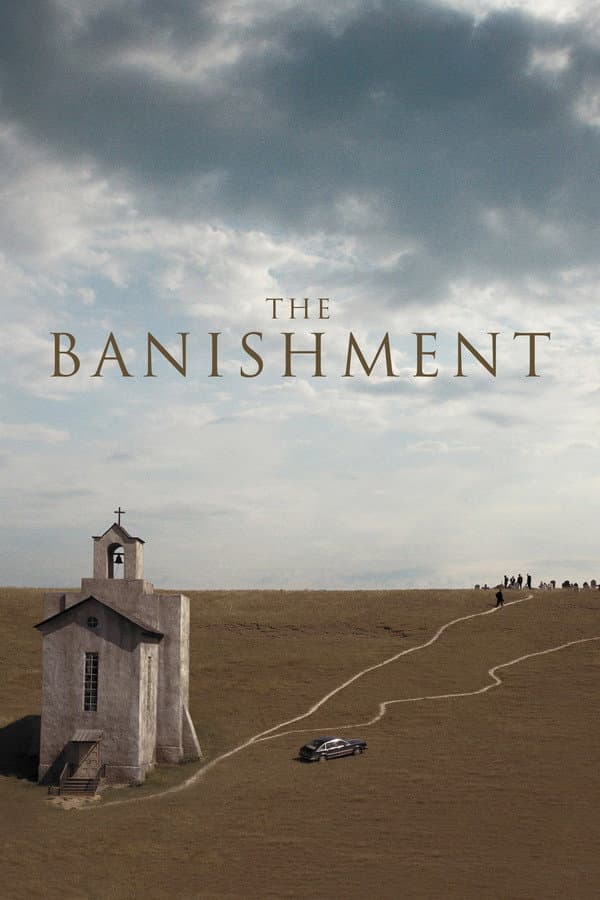
The Banishment
2008 • Drama
While vacationing in the countryside at his childhood home, a woman suddenly reveals to her husband that she is expecting a child – but not his.
Runtime: 2h 38m
Buy related books from Amazon
As an Amazon Associate I earn from qualifying purchases. Read the full disclosure.
Why you should read the novel
If The Banishment drew you in with its haunting mood, go straight to the source: The Laughing Matter by William Saroyan. The novel that inspired The Banishment offers the unfiltered voice, motives, and emotional nuance that only the author can provide. Saroyan’s humanist insight and keen ear for everyday rhythms bring the domestic crisis to life with depth the camera can only suggest.
Reading The Laughing Matter gives you a fuller sense of character, context, and consequence. Instead of the film’s deliberate opacity, the book invites you into the inner thoughts, contradictions, and regrets that propel the story. It’s the definitive way to understand the themes of marriage, guilt, forgiveness, and responsibility that the movie only hints at.
Before you watch or rewatch The Banishment, experience the original text in English—available in print, ebook, and audiobook. Discover why readers still turn to William Saroyan for warmth, wit, and moral clarity. Search for The Laughing Matter today and explore the novel that inspired The Banishment, then decide for yourself: book vs movie.
Adaptation differences
The most visible difference between The Banishment and The Laughing Matter is the setting. Saroyan’s novel unfolds within a recognizably mid‑20th‑century American milieu, with social textures and cultural specifics that ground every conversation and decision. The film relocates the drama to an unnamed, almost mythic Eastern European landscape, stripping away explicit geography to heighten universality and parable-like austerity.
Tone and emphasis diverge just as sharply. William Saroyan balances sorrow with warmth, irony, and flashes of humor—the very laughing matter of life’s burdens. The movie, by contrast, pursues an austere, tragic register, leaning into Biblical symbolism and moral fatalism. Where the book often comforts, the film unsettles, turning ambiguity into the core experience.
Narrative perspective is another key shift. The novel provides interiority—access to private doubts, rationalizations, and the small everyday details that illuminate character. The Banishment removes most exposition and inner monologue, relying on silence, framing, and gesture. Names, backstories, and relationships are streamlined or reimagined; supporting figures in the book’s social world become fewer, more archetypal presences on screen.
Finally, structure and causality are reshaped. Saroyan’s story traces motivations with clearer connective tissue, spelling out why choices are made and how consequences accumulate. The film condenses, reorders, and withholds, pushing revelations later and rendering culpability more ambiguous. As a result, major late events and the final resolution play differently—more allegorical and stark in the movie, more psychologically delineated in the book.
The Banishment inspired from
The Laughing Matter
by William Saroyan