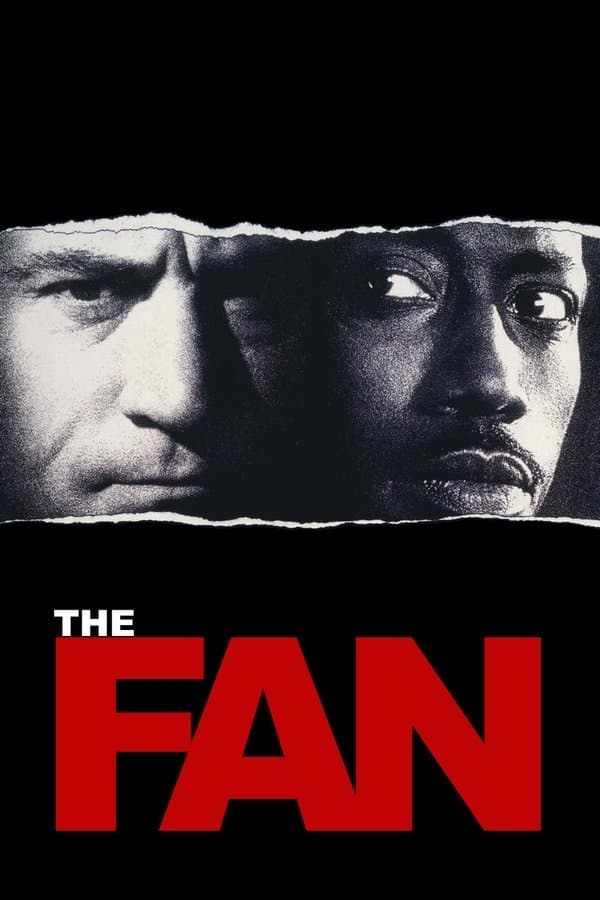
The Fan
1996 • Action, Drama, Thriller • R
When the San Francisco Giants pay center-fielder, Bobby Rayburn $40 million to lead their team to the World Series, no one is happier or more supportive than #1 fan, Gil Renard. When Rayburn becomes mired in the worst slump of his career, the obsessed Renard decides to stop at nothing to help his idol regain his former glory—not even murder.
Runtime: 1h 56m
Buy related books from Amazon
As an Amazon Associate I earn from qualifying purchases. Read the full disclosure.
Why you should read the novel
Before you stream The Fan (1996), experience the story where it began: The Fan by Peter Abrahams. This gripping psychological suspense novel crafts a richer, more intimate portrait of obsession and hero worship than any screen can capture.
The Fan novel by Peter Abrahams takes you inside the mind of an unraveling admirer and the pressures facing a star athlete, revealing the quiet moments and mounting dread the movie can only hint at. With razor-sharp prose and immersive detail, it’s the definitive version of the story.
If you love psychological thrillers, sports fiction, and character-driven suspense, add the original book to your reading list. Read the source material that inspired the film and discover layered motivations, sharper tension, and a finale that lingers long after the last page.
Adaptation differences
The movie preserves the core premise but shifts emphasis: the novel leans into interiority—extended inner monologues, skewed perceptions, and slow-burn tension—while the adaptation condenses these elements into tightly choreographed, visual set pieces.
In print, secondary characters and relationships receive broader development, including the fan’s past and the athlete’s private doubts. The film streamlines or merges roles to keep momentum high, altering where the audience’s empathy lands and accelerating the descent into crisis.
On the page, clubhouse politics, media pressure, and the business of pro sports are explored with granular nuance. The adaptation favors headline-ready moments, compressing season-long arcs, statistics, and subtle performance swings into faster, more cinematic beats.
Tone and resolution diverge as well: the book’s climax leans toward moral ambiguity and lingering psychological unease, while the film aims for a cleaner, high-stakes confrontation that provides catharsis and spectacle over the novel’s unsettling aftertaste.
The Fan inspired from
The Fan
by Peter Abrahams