The Flanagan Boy
1953 • Crime
Johnny Flanagan did not have the privileges of a good education or wealthy background but the streets developed his natural talent to be a great fighter. His enormous potential to reach the top is born out of a string of spectacular successes. All of which is brought to a halt when he develops a physical relationship with his manager's wife, the beautiful but manipulative Lorna. His naive temperament is no match for her callous, dispassionate scheming and he unwittingly becomes a pawn in Lorna's ultimate plan to murder her husband.
Runtime: 1h 21m
Buy related books from Amazon
As an Amazon Associate I earn from qualifying purchases. Read the full disclosure.
Why you should read the novel
Skip the screen and experience The Flanagan Boy as Max Catto wrote it. The source novel delivers a tougher, moodier British boxing noir, with layered motives, razor-edged dialogue, and a palpable sense of danger you can feel on every page.
Reading the book gives you the complete world: gyms reeking of liniment, backroom deals, smoky bars, and the slow, inevitable pull of a fatal attraction. Catto’s prose captures the psychology of a rising fighter and the femme fatale who tempts him toward the brink, with nuance the film can only hint at.
If you love classic film noir, British crime fiction, and grit-soaked boxing dramas, start with the original. The Flanagan Boy by Max Catto is the definitive version—authentic, atmospheric, and unforgettable—perfect for readers who want the real story behind the 1953 movie.
Adaptation differences
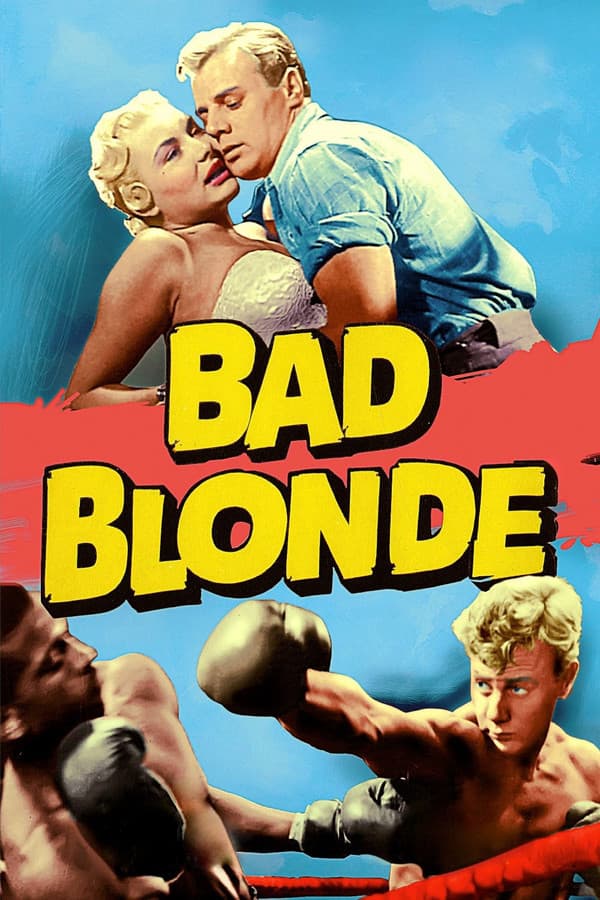
The 1953 film The Flanagan Boy (released as Bad Blonde in the U.S.) streamlines Max Catto’s novel, centering the illicit affair and the boxer’s rise while compressing subplots and trimming several secondary characters from the page. The book’s broader social textures and gym-rat milieu receive more breathing room in print than the movie’s tight, 80‑something‑minute runtime allows.
Point of view shifts are notable. Catto’s novel frequently works from the fighter’s interior perspective, tracing fear, pride, and temptation in granular beats. On screen, interior conflict is externalized into glances, gestures, and action, which can make motives feel starker and the femme fatale more archetypal than her more shaded literary counterpart.
Tone and content also diverge under 1950s production codes. The film tempers sexual candor and explicit brutality, steering toward a clearer moral line. The novel, while never gratuitous, is franker about desire, manipulation, and the physical toll of prizefighting, dwelling on sweat, injury, and the corrosive compromises that come with a quick climb.
Structure and resolution differ in emphasis. The adaptation accelerates training and bout sequences and reorders events to heighten suspense, whereas the book lingers on preparation, aftermath, and consequence. While both versions honor noir’s demand for reckoning, the film states retribution more directly; the novel spends more time with the psychological fallout and the cost of choices made along the way.
The Flanagan Boy inspired from
The Flanagan Boy
by Max Catto