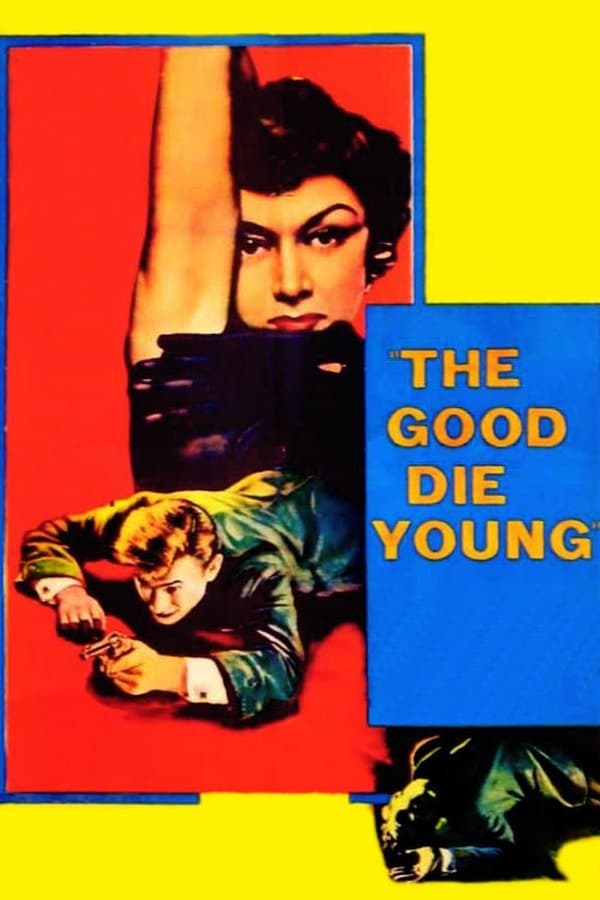
The Good Die Young
1954 • Crime, Thriller • NR
An amoral, psychotic playboy incites three men who are down on their luck to commit a mail van robbery, which goes badly wrong.
Runtime: 1h 40m
Buy related books from Amazon
As an Amazon Associate I earn from qualifying purchases. Read the full disclosure.
Why you should read the novel
Before you press play on the 1954 film, discover the darker, richer pulse of Richard Macaulay’s The Good Die Young. The novel’s layered psychology, hardboiled textures, and relentless moral ambiguity deliver the kind of noir experience only prose can sustain. If you love crime stories built on character and consequence, the book is the truest source of the film’s tension.
Reading the novel puts you inside the minds of desperate men on the edge, revealing motives, fears, and temptations the screen can only hint at. Macaulay’s lean, evocative writing turns backstory into propulsion, making every choice sting with meaning. You’ll feel the slow tightening of the noose long before the heist goes wrong.
For fans of classic crime fiction, The Good Die Young is a must-read that stands proudly alongside mid-century noir greats. It preserves the grit the camera softens and restores the moral complexity that censors trimmed. Choose the book to experience the original, uncompromised vision behind the movie.
Adaptation differences
Book vs. movie: structure and perspective. The 1954 film streamlines events with crisp flashbacks to maintain suspense, while the novel takes its time with multiple viewpoints and deeper interior monologues. On the page, each man’s spiral is richer and more personal, giving the heist a heavier inevitability than the screen can fully convey.
Tone and morality diverge. The film leans into a clearer moral accounting typical of 1950s British crime cinema, while the novel sustains a bleaker, more ambiguous fatalism. In the book, guilt, chance, and class pressure blur the lines between perpetrator and victim, creating a thornier ethical terrain than the adaptation’s tightened endgame.
Characterization shifts with adaptation choices. The film emphasizes star personas and external conflicts; the novel digs further into private compromises, marital fractures, and the quiet humiliations that drive the men toward crime. Relationships and sexuality are grittier and more candid in the book, whereas the movie trims and refocuses them to meet period standards and pacing.
Heist mechanics and atmosphere also change. The film simplifies planning and execution for pace and clarity, building set-piece tension; the novel lingers on logistics, bad luck, and socioeconomic detail that amplify the story’s realism. Readers will notice more granular causality in the book—small decisions and missed chances that collectively doom the plan.
The Good Die Young inspired from
The Good Die Young
by Richard Macaulay